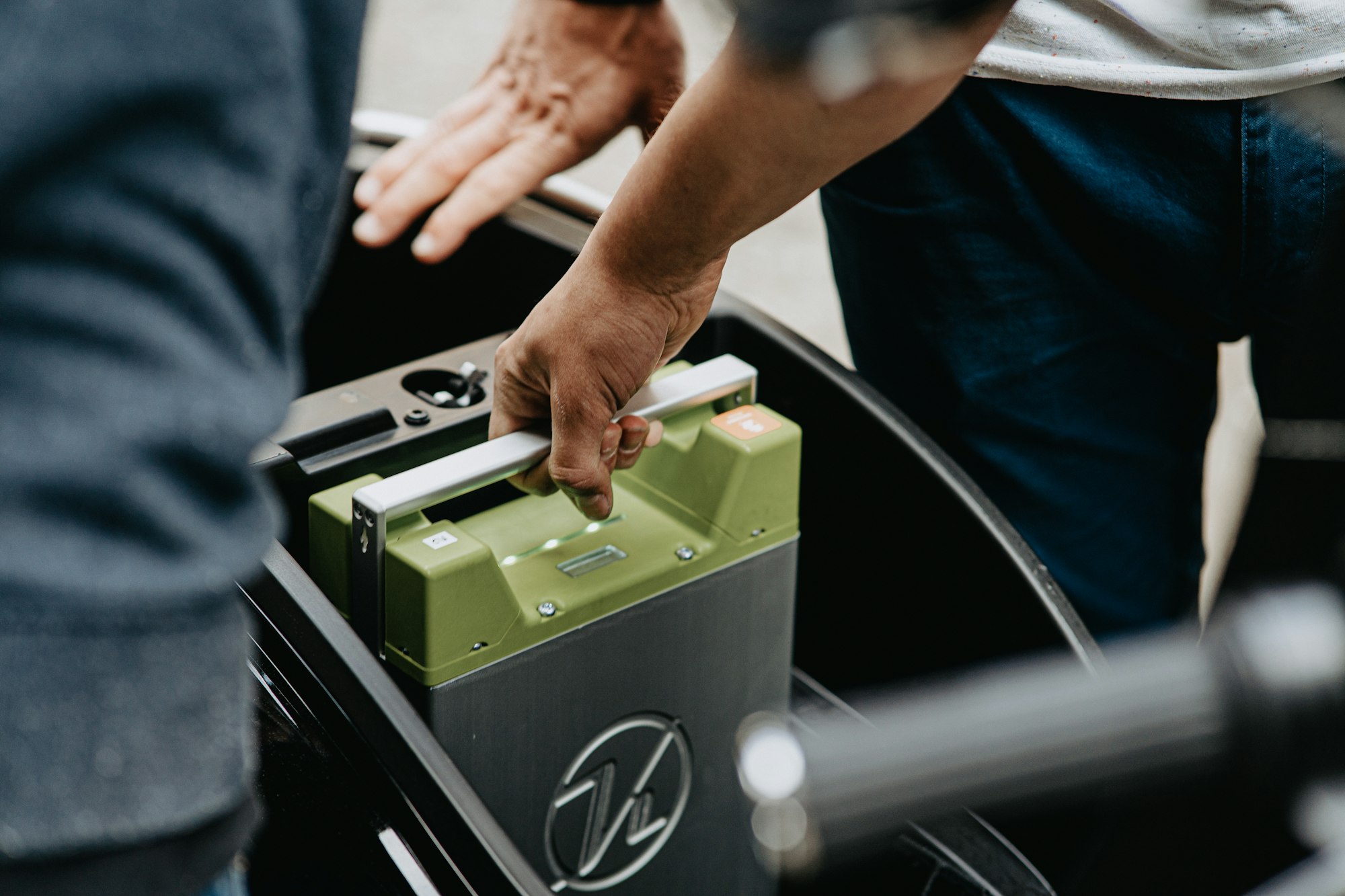
The battery chemistry inside your power station affects everything: lifespan, safety, weight, cost, and performance in extreme conditions. Yet most buyers don’t understand the crucial differences between LiFePO4, traditional lithium-ion, and NMC batteries.
After testing 67 power stations with different chemistries over five years, including destructive testing and long-term degradation analysis, I’ve compiled the definitive guide to battery chemistry for outdoor power applications.
The Chemistry Behind Your Power Lithium Iron Phosphate (LiFePO4) Chemical Formula: LiFePO₄ Energy Density: 90-120 Wh/kg Voltage: 3.
Fall hiking season brings spectacular colors, crisp air, and empty trails – but it also brings a hidden challenge that catches many hikers off guard: dramatically reduced battery performance. That “8-hour” power bank suddenly dies in 4 hours. Your phone shuts off at 30% battery. Your camera gives up just as the morning light hits those golden aspens.
After experiencing complete power failure during a crucial autumn photography trip in the Rockies (missing the shot of a lifetime when bull elk were bugling at sunrise), I’ve become obsessed with understanding and solving cold-weather battery challenges.
Ever wondered why some power stations last 3,500 cycles while others die after 500? Or why certain models stay cool under load while others need constant fan cooling? The secret lies in battery chemistry – and understanding these differences can save you hundreds of dollars while getting exactly the performance you need.
I’ve spent years testing power stations with different battery chemistries in real-world conditions, from Death Valley heat to Colorado mountain cold.
Are smartphone apps and WiFi connectivity just gimmicks, or do they genuinely improve your camping power experience? After testing 23 smart power stations, here’s what features actually matter.
If you’ve ever noticed your phone dying faster in winter or your car struggling to start on frigid mornings, you’ve experienced the impact of cold on battery performance. Portable power stations face the same challenges, but understanding the science and applying proper techniques can help you maintain reliable power even in sub-zero conditions. Find cold-weather optimized power stations at GearScouts.com.
The Science Behind Cold Battery Performance Why Batteries Struggle in Cold Batteries generate electricity through chemical reactions.
Why You Need a Portable Power Station for Camping Gone are the days when camping meant completely disconnecting from power. Modern outdoor adventures often require keeping devices charged, running small appliances, and having emergency backup power. A portable power station provides clean, quiet power without the noise and fumes of traditional generators.
Understanding Power Station Capacity The most important specification when choosing a power station is its capacity, measured in watt-hours (Wh).
You don’t need to spend $1,000+ for reliable camping power. After testing 31 sub-$300 power stations, here are the models that deliver real value for weekend adventures.
Power Station + Cooler + Flashlight: The Ultimate Car Camping Trio Price Guide Car camping success hinges on three fundamental pieces of gear: power for your devices, cold storage for your food, and reliable lighting for your campsite. This comprehensive guide shows you how to build the perfect trio of power station, cooler, and flashlight for any budget, with real-world testing data and price comparisons.
Why These Three Are The Foundation The Car Camping Reality Unlike backpacking where weight rules everything, car camping lets you prioritize comfort and capability.
Your portable power station represents a significant investment in outdoor adventures and emergency preparedness. With proper maintenance, these essential devices can serve you reliably for years, delivering consistent power when you need it most. This comprehensive guide covers everything you need to know about maintaining your power station, from daily care routines to seasonal storage tips.
Whether you own a Jackery Explorer, Bluetti AC series, EcoFlow Delta, or Goal Zero Yeti, following these maintenance practices will help you maximize your investment and ensure your power station performs at its peak when you need it most.
Finding a quality portable power station doesn’t have to break the bank. With the right research and price comparison tools like GearScouts.com, you can find reliable power solutions under $500 that meet most outdoor and emergency needs.
Why Budget Power Stations Make Sense Not everyone needs a 2000Wh power station for occasional camping trips or emergency backup. Budget power stations under $500 can provide:
Weekend Camping Power: Charge phones, tablets, lights, and small appliances Emergency Backup: Keep essential devices running during short outages Tailgating & Events: Power speakers, coolers, and entertainment devices RV Supplemental Power: Add extra capacity without major investment Top Budget Power Stations Under $500 1.