The Complete Beginner's Guide to Outdoor Gear: Essential Equipment for Your First Adventures
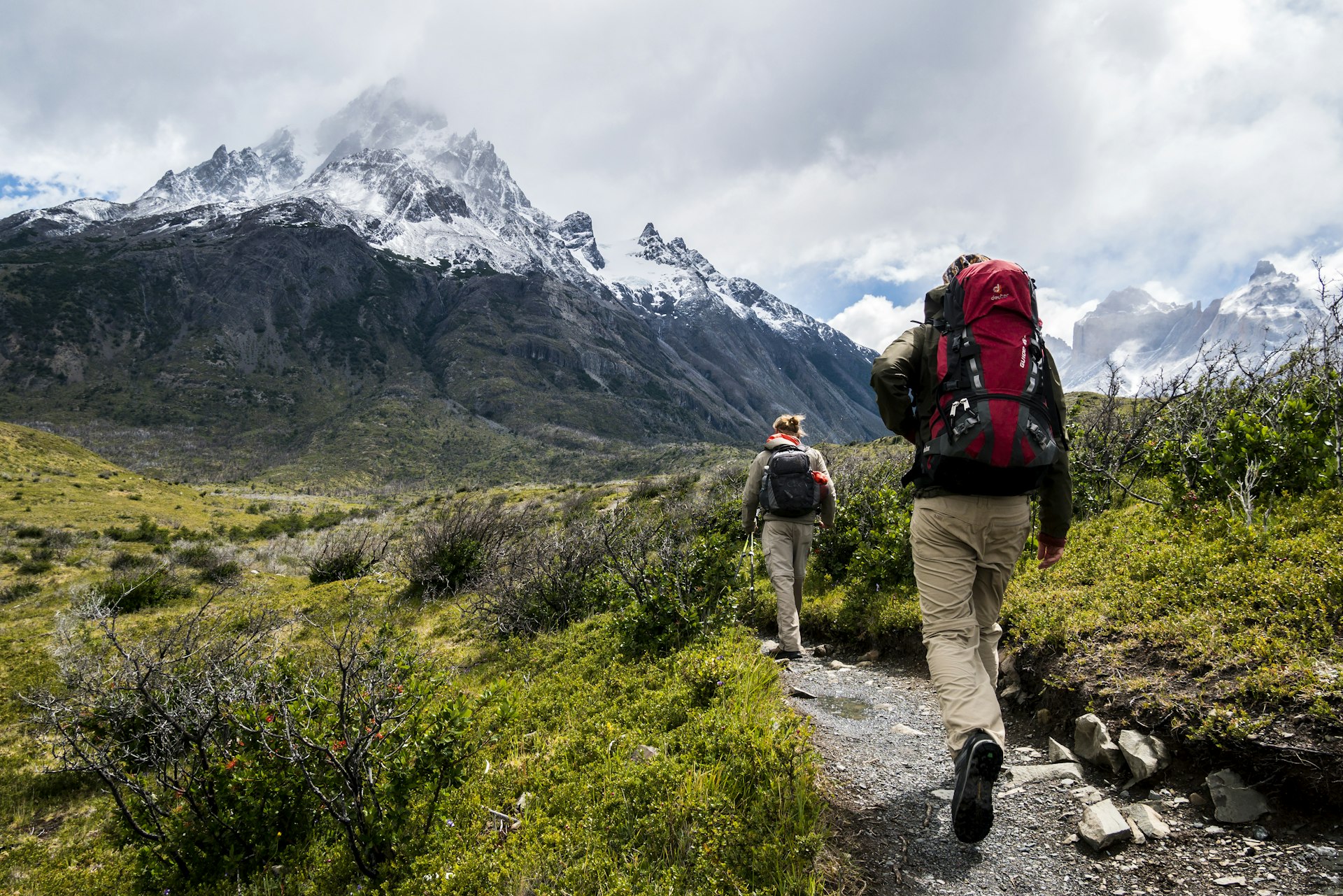
Starting your outdoor adventure journey can feel overwhelming when faced with endless gear options and conflicting advice. This comprehensive beginner’s guide cuts through the marketing noise to help you build a practical, budget-friendly outdoor gear collection that will serve you well for years to come.
Whether you’re planning your first camping trip, day hike, or weekend backpacking adventure, this guide provides everything you need to know about selecting, purchasing, and gradually building your outdoor gear arsenal without breaking the bank.
Understanding Your Outdoor Gear Needs
Before diving into specific gear recommendations, it’s crucial to understand that outdoor gear needs vary dramatically based on your intended activities, local climate, and personal preferences. The key to smart gear purchasing is starting with versatile basics that work across multiple activities and weather conditions.
Activity-Based Gear Planning
Different outdoor activities require different gear priorities:
Day Hiking: Focus on comfort, safety, and weather protection Car Camping: Prioritize comfort and convenience over weight Backpacking: Emphasize lightweight, multi-purpose gear Winter Activities: Invest in quality insulation and weather protection

The Three-Season Approach
Most beginners should focus on “three-season” gear (spring, summer, fall) before investing in specialized winter equipment. This approach maximizes your gear’s versatility while keeping initial costs manageable.
Essential Gear Categories for Beginners
1. Shelter System (Priority: High)
Your shelter system protects you from the elements and provides a safe place to rest. For beginners, this typically means a tent, but understanding all options helps you make informed decisions.
Tent Selection for Beginners
Start with a quality three-season tent that’s easy to set up and rated for one more person than you plan to use it for. A two-person tent for solo camping or three-person tent for couples provides extra space for gear and comfort.
Key features to prioritize:
- Freestanding design (easier setup)
- Color-coded poles and clips
- Full rain fly coverage
- Adequate vestibule space
- Setup height comfortable for sitting
Budget-Friendly Options: Look for tents in the $100-200 range from reputable brands like Coleman, REI Co-op, or Kelty. Check multiple retailers for current pricing and seasonal sales.
Common Mistake to Avoid: Don’t buy an ultralight backpacking tent for car camping or a heavy car camping tent for backpacking. Choose based on your primary intended use.
2. Sleep System (Priority: High)
A good night’s sleep is essential for enjoying outdoor activities. Your sleep system consists of three main components working together.
Sleeping Bag Selection
Temperature rating is the most critical factor. Choose a bag rated 10-15 degrees below the coldest temperatures you expect to encounter. For most beginners, a 20°F bag provides excellent versatility.
Shape Options:
- Rectangular: Roomy and comfortable, best for car camping
- Mummy: More efficient warmth retention, better for backpacking
- Semi-rectangular: Good compromise between comfort and efficiency
Insulation Types:
- Synthetic: Less expensive, works when wet, easier care
- Down: Lighter, more compressible, better warmth-to-weight ratio
For beginners, synthetic insulation often makes more sense due to lower cost and easier maintenance.
Sleeping Pad Importance
Many beginners underestimate the importance of a quality sleeping pad. It provides both comfort and crucial insulation from the cold ground.
Pad Types:
- Closed-cell foam: Indestructible, inexpensive, less comfortable
- Self-inflating: Good balance of comfort, insulation, and convenience
- Air pads: Most comfortable but require more care
R-Value: This measures insulation effectiveness. For three-season camping, look for R-values between 2-4.
Pillow Solutions
While not essential, a good pillow dramatically improves sleep quality. Options include inflatable pillows, pillow cases you fill with clothes, or hybrid solutions.
3. Clothing and Layering System (Priority: High)
Proper clothing can make or break an outdoor experience. The layering system approach provides maximum versatility for changing conditions.
Base Layer (Next to Skin)
Avoid cotton at all costs for active outdoor pursuits. Cotton retains moisture and loses insulation when wet, potentially leading to hypothermia.
Material Options:
- Merino Wool: Natural odor resistance, comfortable, works wet or dry
- Synthetic: Less expensive, quick-drying, durable
Start with one or two quality base layer pieces in merino wool or synthetic materials.
Insulation Layer (Mid Layer)
This layer provides warmth and should be easy to add or remove as conditions change.
Options Include:
- Fleece: Affordable, warm, quick-drying
- Synthetic Insulation: Lightweight, compressible, works when wet
- Down: Best warmth-to-weight ratio but loses insulation when wet
Shell Layer (Outer Protection)
Your shell layer protects against wind and precipitation. For beginners, a quality rain jacket is the most versatile choice.

Features to Consider:
- Waterproof/breathable fabric (Gore-Tex or similar)
- Adjustable hood
- Pit zips for ventilation
- Adequate pocket placement
Footwear Fundamentals
Proper footwear prevents injuries and increases comfort. Your choice depends on terrain, load carried, and personal preferences.
Hiking Boots vs. Trail Runners:
- Boots: More ankle support, better protection, longer break-in
- Trail Runners: Lighter, faster drying, more comfortable immediately
Most beginners should start with lightweight hiking boots or robust trail runners from established brands.
4. Navigation and Safety (Priority: High)
Getting lost or injured in the wilderness can quickly turn an adventure into a life-threatening situation. Basic navigation and safety gear is non-negotiable.
Navigation Essentials
Even in the smartphone era, carry redundant navigation tools:
- Map and Compass: Learn to use them before you need them
- GPS Device or Smartphone: Download offline maps
- Personal Locator Beacon: For remote areas or solo travel
First Aid Kit
A comprehensive first aid kit should address common outdoor injuries and medical needs. Pre-assembled kits are convenient, but building your own ensures you know every item’s purpose.
Essential Items Include:
- Adhesive bandages (various sizes)
- Gauze pads and medical tape
- Antiseptic wipes
- Pain relievers (ibuprofen, acetaminophen)
- Any personal medications
- Emergency contact information
Emergency Signaling
- Whistle: Three sharp blasts is the universal distress signal
- Signal Mirror: For attracting aircraft attention
- Bright Colored Bandana: Multiple signaling and utility uses
5. Hydration and Water Treatment (Priority: High)
Staying properly hydrated is crucial for performance and safety. Plan for at least 2-3 liters of water per day for moderate activity in temperate conditions.
Water Carrying Options
- Water Bottles: Durable, easy to monitor intake, simple
- Hydration Reservoirs: Convenient drinking, hands-free operation
- Combination Approach: Use both for maximum flexibility
Water Treatment Methods
Never drink untreated water from natural sources without proper treatment.
Treatment Options:
- Water Filters: Remove bacteria and protozoa, fast and convenient
- Purification Tablets: Lightweight, kill viruses, chemical taste
- UV Sterilizers: Kill all microorganisms, require clear water
- Boiling: 100% effective but fuel and time intensive
For beginners, a quality pump or gravity-fed filter provides the best balance of effectiveness, speed, and ease of use.
6. Illumination (Priority: Medium-High)
Reliable lighting is essential for safety and convenience during outdoor activities.
Headlamp vs. Flashlight
Headlamps provide hands-free operation, making them superior for most outdoor activities. Look for models with:
- Multiple brightness settings
- Red light option (preserves night vision)
- Comfortable, adjustable strap
- Weather-resistant construction
- Long battery life
Backup Lighting
Always carry backup lighting. A small, lightweight flashlight or backup headlamp can be a lifesaver if your primary light fails.
Battery Considerations
- Rechargeable: Environmentally friendly, long-term cost savings
- Disposable: Reliable in cold weather, no charging required
- Hybrid: Some lights accept both types
7. Cooking and Food Storage (Priority: Medium)
The complexity of your cooking system depends on your activity type and personal preferences.
Camping Stove Options
Canister Stoves: Easy to use, reliable, good for beginners Liquid Fuel Stoves: Better cold weather performance, refillable Alcohol Stoves: Ultralight, simple, slower cooking Wood Burning: No fuel to carry, environmental impact considerations
For beginners, canister stoves offer the best combination of ease, reliability, and performance.
Cookware Essentials
Start simple with a basic pot, lightweight spork, and insulated mug. Titanium and aluminum are popular materials balancing weight and durability.
Food Storage
Proper food storage prevents wildlife encounters and keeps food fresh. Options include:
- Bear Canisters: Required in some areas, foolproof protection
- Bear Hangs: Lightweight, requires proper technique
- Food Storage Lockers: Available at many established campgrounds
8. Backpack Selection (Priority: Medium-High)
Your backpack carries everything else, making proper selection crucial for comfort and efficiency.
Capacity Guidelines
- Day Hiking: 20-35 liters
- Overnight Trips: 35-50 liters
- Multi-day Backpacking: 50-70+ liters
Fit Considerations
Proper fit is more important than brand or features. Most outdoor stores offer fitting services to help determine your torso length and proper size.
Essential Features
- Adjustable suspension: Accommodates different body types
- Hip Belt: Transfers weight from shoulders to hips
- Multiple Compartments: Helps organize gear
- External Attachment Points: For items you need quick access to
Building Your Gear Collection Gradually
Phase 1: Day Trip Essentials (First Purchase)
Start with gear that supports day hiking and car camping:
- Quality hiking boots or trail runners ($100-150)
- Daypack ($50-100)
- Basic first aid kit ($30-50)
- Headlamp with backup batteries ($30-60)
- Water bottles and basic filter ($40-80)
- Weather-appropriate clothing layers ($100-200)
Total Investment: $350-640
This foundation allows you to safely enjoy day hikes and begin developing outdoor skills.
Phase 2: Overnight Capability (3-6 Months Later)
Add overnight camping gear once you’ve gained experience:
- Three-season tent ($150-300)
- Sleeping bag ($100-200)
- Sleeping pad ($50-150)
- Basic camp stove and cookware ($80-150)
- Larger backpack ($150-300)
Additional Investment: $530-1,100
Phase 3: System Refinement (6-12 Months Later)
Upgrade and add specialized gear based on your developing preferences:
- Improved rain gear ($150-400)
- Better insulation layers ($100-300)
- Advanced navigation tools ($100-300)
- Specialized activity gear (varies widely)
Phase 4: Seasonal and Specialized Gear (Year 2+)
Add winter gear, ultralight equipment, or activity-specific items based on your evolving interests and skill level.
Budget-Friendly Shopping Strategies
Seasonal Sales and Timing
Best Times to Buy:
- End of Season Sales: August-September for summer gear, February-March for winter equipment
- Black Friday/Cyber Monday: Many retailers offer significant outdoor gear discounts
- REI Dividend Periods: Members receive annual dividends to spend
- Model Year Transitions: Previous year’s models at reduced prices
Check GearScouts.com regularly to track price drops and compare deals across multiple retailers.
Quality vs. Budget Balance
Invest More In:
- Items critical for safety (navigation, first aid, shelter)
- Gear you’ll use frequently
- Items where comfort significantly impacts enjoyment
Save Money On:
- Gear used occasionally
- Items easily replaced if damaged
- Non-critical comfort items
Used Gear Considerations
Buying used gear can provide significant savings, but inspect carefully for:
- Structural integrity: No rips, broken components, or excessive wear
- Cleanliness: Especially important for clothing and sleep systems
- Completeness: Ensure all components and accessories are included
- Age: Older gear may lack modern safety features or performance
Common Beginner Mistakes to Avoid
Mistake 1: Buying Too Much Too Fast
The Problem: Enthusiasm leads to purchasing complete gear sets before understanding personal needs.
The Solution: Buy the minimum viable gear for your planned activities, then add items based on actual experience and identified needs.
Mistake 2: Prioritizing Weight Over Functionality
The Problem: New backpackers often obsess over gear weight before developing fundamental outdoor skills.
The Solution: Focus on safety, comfort, and reliability. Weight optimization comes naturally as you gain experience.
Mistake 3: Ignoring Fit and Sizing
The Problem: Ordering gear online without trying it on leads to discomfort and safety issues.
The Solution: Visit physical stores to determine proper sizes for critical items like backpacks, boots, and sleeping bags.
Mistake 4: Choosing Fashion Over Function
The Problem: Selecting gear based on appearance rather than performance specifications.
The Solution: Research thoroughly, read reviews, and prioritize features that enhance safety and comfort.
Mistake 5: Neglecting System Integration
The Problem: Buying individual pieces without considering how they work together.
The Solution: Think in terms of systems (sleep system, clothing system, shelter system) rather than individual items.
Mistake 6: Skipping Skills Development
The Problem: Accumulating gear without learning how to use it properly.
The Solution: Practice with new gear in controlled environments before depending on it in the wilderness.
Gear Maintenance and Care
Cleaning and Storage
Proper maintenance extends gear life and ensures reliability when you need it most.
General Guidelines:
- Clean gear promptly after use
- Dry thoroughly before storage
- Store in cool, dry places away from UV light
- Follow manufacturer-specific care instructions
Specific Care Tips:
Down Insulation: Wash infrequently with down-specific detergent, dry with tennis balls to restore loft.
Synthetic Insulation: More forgiving, machine washable, air dry when possible.
Waterproof/Breathable Fabrics: Clean regularly to maintain breathability, re-treat with DWR coating as needed.
Footwear: Remove insoles to dry separately, condition leather regularly, replace worn components.
Repair Skills
Learning basic repair skills saves money and prevents small problems from ending trips:
- Fabric Repairs: Duct tape, patches, and sewing techniques
- Zipper Maintenance: Cleaning, lubrication, and basic repairs
- Seam Sealing: Maintaining waterproof integrity
- Hardware Issues: Replacing buckles, cord locks, and other components
Smart Shopping with Price Comparison
Using GearScouts.com Effectively
Price comparison tools help you find the best prices on outdoor gear across multiple retailers. Use them to:
Track Price History: Understand normal pricing patterns to identify genuine deals.
Compare Retailers: Different stores often have varying prices for identical items.
Set Price Alerts: Get notified when gear you want goes on sale.
Read Aggregated Reviews: Make informed decisions based on user feedback across platforms.
Find Alternative Models: Discover similar products that might better fit your budget or needs.
Retailer Comparison Strategy
Large Outdoor Retailers:
- REI: Excellent return policy, member dividends, frequent sales
- Backcountry: Wide selection, often competitive pricing
- Moosejaw: Good sales, rewards program
General Retailers:
- Amazon: Vast selection, convenient returns, Prime shipping
- Walmart/Target: Budget options, basic gear availability
Direct from Manufacturer:
- Often best for warranty service and latest models
- May offer exclusive colors or configurations
Local Outdoor Stores:
- Personalized service and fitting
- Support local business
- Often competitive pricing on popular items
Budget Allocation Strategy
Total Budget Distribution:
- Safety/Navigation: 15-20%
- Shelter System: 25-30%
- Sleep System: 20-25%
- Clothing: 20-25%
- Remaining Gear: 10-15%
This allocation ensures you invest appropriately in safety and comfort while building a complete system.
Seasonal Considerations for Beginners
Spring Gear Priorities
Weather Challenges: Variable conditions, muddy trails, temperature swings
Essential Additions:
- Lightweight rain layers
- Gaiters for muddy conditions
- Extra insulation for cool mornings/evenings
Summer Gear Focus
Weather Challenges: Heat, sun exposure, afternoon thunderstorms
Key Items:
- Sun protection (hat, sunglasses, sunscreen)
- Lightweight, breathable clothing
- Increased water capacity
- Bug protection (repellent, head net)
Fall Preparation
Weather Challenges: Rapidly changing conditions, early storms, shorter daylight
Important Gear:
- Warmer sleep system
- Additional lighting for longer nights
- Waterproof gear for increased precipitation
Winter Considerations
Winter requires specialized gear and skills beyond this beginner’s guide. Focus on three-season competency before attempting winter camping.
Conclusion: Building Confidence Through Experience
Starting your outdoor gear journey doesn’t require spending thousands of dollars or owning every piece of equipment in the catalog. Focus on building a foundation of safe, reliable gear that supports your current activities while leaving room for growth and specialization.
Remember that the best gear is the gear you know how to use effectively. Spend time practicing with each new piece of equipment in controlled environments before depending on it in the wilderness.
As you gain experience, your gear preferences will evolve. What seems essential today might become unnecessary as your skills develop, while items you initially overlooked may become crucial to your outdoor enjoyment.
Use price comparison resources to make informed purchasing decisions, track prices, and find the best deals on quality gear. Smart shopping combined with gradual collection building allows you to develop a complete outdoor gear arsenal without financial strain.
Most importantly, remember that the goal is to enable outdoor adventures, not to accumulate gear for its own sake. Start with basics, get outside, learn from experience, and let your growing skills guide your gear evolution.
Your outdoor journey is unique, and your gear collection should reflect your personal interests, local conditions, and adventure goals. With patience, research, and smart shopping, you’ll build a gear system that serves you well for years of outdoor exploration and adventure.
Final Gear Checklist for New Outdoor Enthusiasts
Immediate Essentials (First Month)
- Proper hiking footwear
- Daypack (20-35L)
- Basic first aid kit
- Headlamp with extra batteries
- Water bottles and basic filtration
- Weather-appropriate base and insulation layers
- Rain jacket
- Navigation tools (map, compass, GPS)
Phase 2 Additions (3-6 Months)
- Three-season tent
- Sleeping bag (20°F rating)
- Sleeping pad (R-value 2-4)
- Basic camp stove and cookware
- Larger backpack (40-60L)
- Bear canister or rope for food storage
Phase 3 Upgrades (6-12 Months)
- Improved rain gear system
- Better insulation layers
- Advanced navigation tools
- Specialized activity gear based on interests
Use GearScouts.com to track prices and find the best deals on each of these essential items as you build your outdoor gear collection. Remember, the best gear is the gear you’ll actually use, so choose items that match your adventure plans and budget.
Start with quality basics, gain experience, and let your growing outdoor skills guide your gear evolution. The mountains, trails, and wilderness areas are waiting for you to explore them safely and comfortably with the right equipment.