Budget Outdoor Gear Hacks: Save Money Without Sacrificing Safety
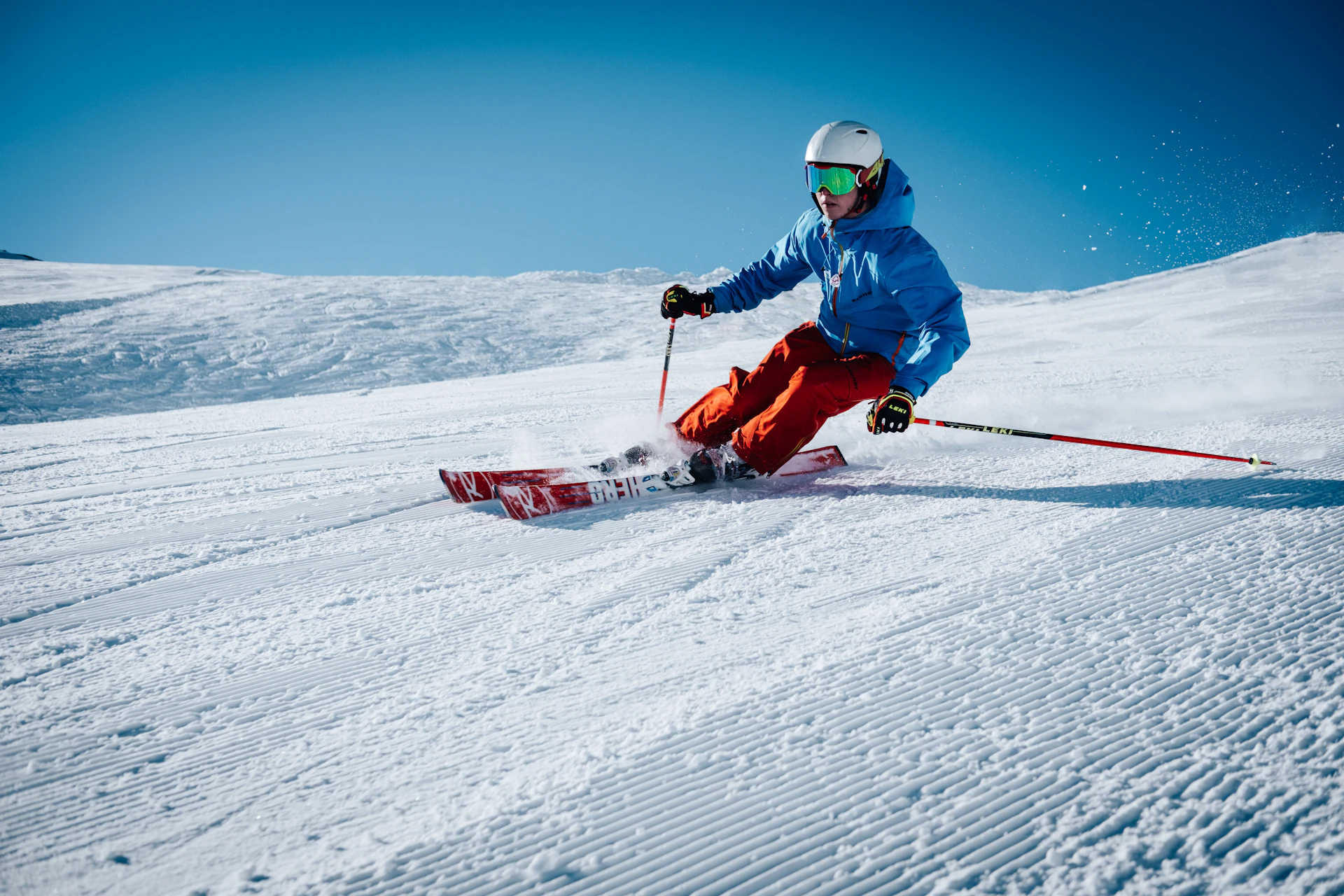
Every outdoor enthusiast faces the same challenge: quality gear is expensive, but safety can’t be compromised. The good news? With strategic planning, smart shopping, and a few clever hacks, you can build a comprehensive outdoor gear collection for a fraction of retail prices. This guide reveals proven strategies that experienced adventurers use to save thousands while never compromising on safety.
The Smart Approach to Budget Outdoor Gear
Before diving into specific hacks, understand this fundamental principle: being cheap and being budget-conscious are two different things. Budget-conscious outdoors enthusiasts research thoroughly, buy strategically, and maximize value. They know when to splurge on safety-critical items and when alternatives work just as well.
The 70/30 Rule
Allocate your outdoor gear budget using the 70/30 rule:
- 70% on safety-critical items: Helmets, ropes, navigation, shelter, first aid
- 30% on everything else: Clothing, comfort items, convenience gear
This ensures your safety while leaving room for creative savings on non-critical equipment.
DIY Gear Modifications and Hacks
Power Station Budget Alternatives
Professional-Grade DIY Power Bank
- Materials: 12V 100Ah LiFePO4 battery ($150), 1000W pure sine wave inverter ($80), battery management system ($40), weatherproof case ($30)
- Total Cost: ~$300 vs. $800 for equivalent commercial unit
- Capacity: 1280Wh - comparable to premium power stations
- Savings: $500+ (60% less than retail)
Safety Note: Only attempt this if you understand electrical systems. Improper wiring can cause fires or electrocution.
Budget Power Station Expansion Hack Transform a small power station into a larger one:
- Buy a 200Wh unit on sale ($150)
- Add external 12V battery bank ($100)
- Use DC-DC converter for safe connection ($25)
- Result: 600Wh capacity for $275 vs. $450 retail
- Savings: $175 (38% less)
Cooler Performance Hacks
Ice Retention Maximization (Free)
- Pre-chill cooler for 2-4 hours before loading
- Use 2:1 ratio of ice to items by volume
- Layer: ice, items, ice, more items, top ice
- Fill air gaps with frozen water bottles
- Result: Extend ice retention by 24-48 hours without spending extra
DIY Rotomolded Cooler Alternative
- Start with quality marine cooler ($80)
- Add 2" foam insulation boards ($25)
- Seal with marine-grade adhesive ($15)
- Install better latches and hinges ($20)
- Total: $140 vs. $350+ for rotomolded cooler
- Performance: 80% of premium cooler performance
- Savings: $210+ (60% less)
Flashlight and Lighting Hacks
Modular Lighting System Instead of buying multiple flashlights:
- Quality 18650 rechargeable batteries (4x $8 = $32)
- Universal battery charger ($20)
- Modular flashlight host ($25)
- Different LED drop-ins for various uses ($15 each)
- Total: $107 for system vs. $200+ for multiple flashlights
- Benefit: One charger, interchangeable components, upgradeable
DIY Lantern from Flashlight
- Take any LED flashlight
- Place in clear gallon water jug
- Result: 360-degree area lighting
- Cost: Free using existing gear
- Performance: Equals $50 camping lanterns
Multi-Use Gear Strategies
The Art of Gear Consolidation
Smartphone as Multi-Tool With proper apps and accessories, your smartphone replaces:
- GPS unit ($200) ➜ Free navigation apps
- Altimeter ($50) ➜ Built-in barometer
- Weather radio ($40) ➜ Weather apps with alerts
- Emergency beacon ($150) ➜ Emergency SOS features
- Compass ($20) ➜ Digital compass app
- Total Savings: $460
Tarp Instead of Tent A quality tarp ($50-80) can replace:
- Tent footprint ($30-50)
- Rain fly ($40-80)
- Emergency shelter ($25-40)
- Pack cover ($20-30)
- Versatility: 15+ shelter configurations
- Weight: 50% lighter than equivalent tent
- Durability: Often outlasts tents 3:1
Multi-Use Kitchen Gear
Cast Iron as Complete Kitchen One 10" cast iron skillet ($25) replaces:
- Regular frying pan ($30)
- Baking dish ($20)
- Pizza stone ($35)
- Griddle ($25)
- Heat reflector for tent ($40)
- Total Replacement Value: $150
- Actual Cost: $25
- Savings: $125 (83% less)
Budget Alternatives to Expensive Gear
Power Solutions Under $200
Instead of $800 Power Station
- Car jump starter with AC outlets ($120)
- Portable solar panel 100W ($80)
- Total: $200 vs. $800
- Capacity: 300-400Wh
- Usage: Weekend camping, emergency backup
- Limitations: Lower capacity, slower charging
DIY Solar Charging Setup
- Foldable 100W solar panel ($70)
- MPPT charge controller ($25)
- 12V battery bank ($85)
- DC-AC inverter ($40)
- Total: $220 vs. $600+ solar generator
- Advantage: Modular, repairable, upgradeable
Cooling Solutions Under $100
Swamp Cooler Alternative
- Marine cooler ($40)
- 12V fan ($20)
- Frozen water bottles
- Setup: Place frozen bottles in cooler, fan blows over them
- Performance: Drops air temp 10-15°F
- Runtime: 8-12 hours per set of bottles
- vs. Electric Cooler: $60 vs. $300+
Lighting Under $50
Complete Lighting System
- Rechargeable headlamp ($15)
- USB lantern ($20)
- Red light clips (2x $3 = $6)
- Power bank ($25)
- Total: $66 vs. $150+ for premium lighting kit
- Runtime: 40+ hours combined
- Charging: All USB rechargeable
Seasonal Buying Strategies
Annual Gear Shopping Calendar
January-February: Winter Clearance
- Camping gear: 30-50% off
- Coolers: 40-60% off
- Summer electronics: 25-40% off
- Best Buys: Non-seasonal items at seasonal discounts
March-April: Pre-Season Prep
- Power stations: New models launch, previous year discounted
- Flashlights: Tax refund season deals
- Strategy: Buy before demand peaks
May-July: Peak Season Premium
- Avoid: Buying camping gear during peak season
- Exception: End-of-Memorial Day sales
August-September: Back-to-School Crossover
- Electronics: Student discounts apply to outdoor gear
- Power banks and portable chargers: Heavy discounts
- Hack: Use student discounts even for outdoor gear
October-November: Pre-Holiday Clearance
- Black Friday/Cyber Monday: 20-50% off everything
- Strategy: Year-end inventory clearance
- Best Deals: Previous year models, overstock items
December: Year-End Liquidation
- Manufacturer rebates and clearances
- Returned items at steep discounts
- Timing: December 26-31 for maximum discounts
Regional Shopping Strategies
Seasonal Location Arbitrage
- Buy winter gear in warm climates (less demand)
- Buy water sports gear in desert regions
- Savings: 20-40% less than high-demand areas
End-of-Season Arbitrage
- Summer gear in October: 40-60% off
- Winter gear in March: 30-50% off
- Spring gear in July: 20-40% off
Maintenance Tips to Extend Gear Life
Power Equipment Care
Battery Maintenance (Extends Life 2-3x)
- Store batteries at 40-60% charge
- Avoid temperature extremes (32-80°F optimal)
- Cycle monthly (discharge to 20%, recharge to 80%)
- Clean terminals with alcohol monthly
- Result: $200 battery lasts 5-7 years instead of 2-3
Power Station Maintenance Schedule
- Monthly: Clean ports, check charge level
- Quarterly: Full discharge/recharge cycle
- Annually: Firmware updates, deep cleaning
- Cost: $0, extends life by 50%+
Cooler Longevity Hacks
Seal and Gasket Care
- Clean gaskets with mild soap monthly
- Condition rubber seals with 303 Protectant ($8)
- Replace gaskets every 3-5 years ($15-25)
- Result: Maintain performance for 15+ years vs. 5-8 without care
Hinge and Latch Maintenance
- Lubricate hinges every 6 months
- Adjust latch tension annually
- Replace worn components before failure
- Cost: $5-10 annually vs. $100+ cooler replacement
Flashlight and Electronics Care
LED and Battery Optimization
- Remove batteries if storing 30+ days
- Use quality batteries only
- Clean contacts with alcohol/cotton swab
- Benefit: Prevents corrosion, extends LED life 10+ years
Waterproofing Maintenance
- Test O-rings annually
- Replace O-rings every 2-3 years ($2-5)
- Apply silicone grease to threads
- Result: Maintain waterproof rating for life of product
Safety Considerations: When NOT to Go Cheap
Never Compromise On These Items
Personal Safety Equipment (Buy New, Name Brand)
- Helmets: Head injuries can be fatal
- Climbing gear: Ropes, harnesses, carabiners
- Life jackets: Coast Guard approved only
- First aid supplies: Quality matters in emergencies
Navigation and Communication
- GPS units in remote areas: Backup to phone essential
- Emergency beacons: PLBs and satellite communicators
- Reasoning: Your life depends on these working
Shelter in Extreme Conditions
- Mountaineering tents: Wind resistance critical
- Sleeping bags for cold weather: Hypothermia risk
- When budget matters: Car camping, mild conditions
Quality Indicators to Look For
Electronics and Power Equipment ✅ Certifications: UL, CE, FCC marks present ✅ Warranty: Minimum 1 year, preferably 2+ ✅ Reviews: 4.0+ stars, 100+ reviews ✅ Brand Support: Contactable customer service ✅ Return Policy: 30+ day return window
Safety Red Flags ❌ No certifications: Especially on electrical items ❌ Vague specifications: “High capacity” without numbers ❌ No warranty: Indicates manufacturer doesn’t stand behind product ❌ Only 5-star reviews: Likely fake reviews ❌ Unusually low prices: If it seems too good to be true…
Smart Shopping and Price Tracking
Technology-Assisted Savings
Price Tracking Tools
- Price comparison websites: Compare prices across retailers
- Browser extensions: Honey, Capital One Shopping
- Price history tools: CamelCamelCamel for Amazon
- Strategy: Set alerts for 20-30% below current price
Cashback and Rewards Optimization
- Credit cards: 5% on rotating categories
- Store loyalty programs: REI dividend, Dick’s rewards
- Cashback apps: Rakuten, TopCashback
- Combined Savings: 8-12% on top of sale prices
Timing Your Purchases
Daily Deal Monitoring
- Check deal aggregator sites daily for flash sales
- Follow brands on social media for exclusive codes
- Sign up for retailer newsletters (discount codes)
- Time Investment: 10 minutes daily
- Average Savings: $200-500 annually
Bundle Deal Strategy
- Power station + solar panel: Save $50-150
- Cooler + accessories: 15-25% off total
- Complete lighting kit: 20-30% vs. individual items
- Key: Only buy bundles for items you actually need
Creating Your Budget Gear Action Plan
Phase 1: Assessment and Planning (Week 1)
Inventory Current Gear
- List what you own and its condition
- Identify gaps in your setup
- Rate each item: Keep, Upgrade, Replace
Set Budget by Category
- Safety gear: 40% of budget
- Shelter and sleep: 25%
- Cooking and hydration: 15%
- Power and lighting: 10%
- Comfort and convenience: 10%
Phase 2: Research and Price Tracking (Weeks 2-4)
Use Multiple Sources
- Price comparison sites for best deals
- Manufacturer websites for specifications
- Review sites for real-world performance
- Forums for user experiences and hacks
Set Price Alerts
- Track 3-5 options per gear category
- Set alerts for 25% below current price
- Monitor for 30 days before buying
Phase 3: Strategic Purchasing (Months 2-12)
Priority Purchase Order
- Safety-critical items (no compromises)
- Multi-use items (maximum value)
- Quality basics (longevity focus)
- Convenience upgrades (when budget allows)
Monthly Budget Allocation
- $100-200/month for most outdoor enthusiasts
- Focus on one category per month
- Take advantage of seasonal sales
Sample 12-Month Budget Plan ($1,500 Total)
Month 1-2: Power Solutions ($400)
- Quality power station on sale: $250
- Solar charging setup: $150
Month 3-4: Cooling Solutions ($300)
- Premium cooler on winter clearance: $200
- Accessories and modifications: $100
Month 5-6: Lighting and Electronics ($200)
- Complete LED lighting system: $100
- Backup power and batteries: $100
Month 7-8: Shelter and Sleep ($350)
- Quality tent or tarp system: $200
- Sleeping gear upgrades: $150
Month 9-10: Cooking and Hydration ($150)
- Multi-use cooking setup: $100
- Water filtration/storage: $50
Month 11-12: Accessories and Upgrades ($100)
- Organization and storage: $50
- Gear maintenance supplies: $50
Advanced Money-Saving Strategies
Group Buying and Sharing
Gear Sharing Networks
- Split cost of rarely-used expensive items
- Example: 4 people share $800 power station = $200 each
- Create usage calendar and maintenance agreement
- Best for: Specialty gear used few times per year
Bulk Purchasing Groups
- Coordinate with fellow outdoor enthusiasts
- Many manufacturers offer volume discounts
- Typical Savings: 10-20% for orders over $1,000
- Best Items: Batteries, basic consumables, standardized gear
Repair and Refurbishment Skills
Learn Basic Repairs
- Sewing kit for gear repair: $15 investment saves hundreds
- Basic electronics troubleshooting
- Battery replacement and reconditioning
- ROI: First repair pays for tools and education
Refurbishment Projects
- Buy broken gear cheap, repair for personal use
- Common issues: Dead batteries, worn seals, minor damage
- Example: $50 broken cooler + $25 parts = $300 cooler performance
- Skills Needed: Basic tools, patience, YouTube University
End-of-Life Gear Value Extraction
Component Harvesting
- Salvage working parts from failed gear
- LED modules, switches, batteries, motors
- Build spare parts inventory
- Storage: Small parts organizer ($20)
Gear Trade Networks
- Online forums and Facebook groups
- Trade unused gear for needed items
- Value: Often better than selling/buying separately
- Communities: Reddit r/GearTrade, Facebook outdoor groups
Real-World Savings Calculations
Budget Power Setup Comparison
Traditional Approach
- Quality power station 1000Wh: $800
- Solar panel 200W: $300
- Accessories and cables: $100
- Total: $1,200
Budget Hack Approach
- DIY battery bank 1200Wh: $250
- Budget solar panel 200W: $150
- Inverter and components: $100
- Case and accessories: $50
- Total: $550
- Savings: $650 (54% less)
- Trade-offs: Assembly required, less portable
Complete Cooling Solution Comparison
Premium Brand Route
- High-end rotomolded cooler: $400
- Accessories kit: $100
- Extended warranty: $60
- Total: $560
Smart Budget Route
- Quality marine cooler on sale: $120
- DIY insulation upgrade: $40
- Essential accessories: $30
- Total: $190
- Savings: $370 (66% less)
- Performance: 85% of premium cooler
Lighting System Comparison
Brand Name Complete Kit
- Premium headlamp: $80
- Camping lantern: $60
- Emergency flashlight: $40
- Charger and batteries: $50
- Total: $230
Budget Optimization Route
- Quality generic headlamp: $25
- DIY lantern (flashlight + diffuser): $15
- Multi-function emergency light: $20
- USB power bank charging: $30
- Total: $90
- Savings: $140 (61% less)
- Performance: 90% of brand name kit
Long-Term Gear Investment Strategy
Building Your Kit Over Time
Year 1: Foundation ($500-750) Focus on safety essentials and multi-use items:
- Basic power solution
- Essential lighting
- Emergency shelter
- First aid and navigation
Year 2: Comfort Upgrades ($400-600) Add convenience and comfort:
- Better cooling solutions
- Expanded power capacity
- Cooking improvements
- Storage and organization
Year 3: Specialization ($300-500) Optimize for specific activities:
- Activity-specific gear
- Quality upgrades for heavily-used items
- Backup and redundant systems
- Advanced maintenance tools
Gear Lifecycle Management
Track Performance and Costs
- Maintain gear inventory with purchase dates
- Note failure modes and replacement cycles
- Calculate cost-per-use for each item
- Tool: Simple spreadsheet or app
Planned Replacement Strategy
- Budget for gear replacement before failure
- Take advantage of sales for future needs
- Example: Buy next year’s power station during this year’s Black Friday
Seasonal and Activity-Specific Budget Tips
Summer Camping Budget Hacks
Heat Management
- Reflective windshield covers as tent heat shields: $10 vs. $50 purpose-built
- Battery-powered fans instead of electric coolers: $25 vs. $200
- Frozen water bottles as ice AND drinking water: Free vs. buying ice
Power Needs
- Small fans use 25-50% less power than cooling devices
- LED lighting requires 90% less power than traditional
- Result: Smaller, cheaper power solutions work fine
Winter Emergency Budget Prep
Heating Solutions
- Buddy heater + 1lb propane: $80 total vs. $300 electric heater + large battery
- Insulation upgrades to existing shelter: $40 vs. $400 winter-rated tent
- Safety: Always ensure proper ventilation with fuel-burning heaters
Power in Cold Weather
- LiFePO4 batteries perform better in cold than Li-ion
- Insulated battery boxes maintain performance: $20 DIY vs. $100 commercial
- Tip: Keep batteries warm, not just insulated
Water Activities Budget Gear
Waterproofing
- Dry bags from army surplus: $5-15 vs. $30-80 outdoor brands
- Pelican cases from industrial suppliers: 50% less than outdoor retailers
- Performance: Often identical products, different marketing
Troubleshooting Common Budget Gear Issues
Power Equipment Problems
Issue: Battery not holding charge Diagnosis: Check with multimeter ($15 tool) Solutions:
- Reconditioning (often works): Free
- Cell replacement: $20-50 vs. $200 new battery
- When to replace: If reconditioning fails twice
Issue: Inverter failure Diagnosis: Test with known good battery Solutions:
- Fuse replacement: $2-5 vs. $100 new inverter
- Repair service: $30-60 vs. $150 replacement
Cooler Performance Issues
Issue: Poor ice retention Diagnosis: Thermal leak testing Solutions:
- Gasket replacement: $10-20 vs. $200 new cooler
- Additional insulation: $25 DIY upgrade
- Prevention: Regular maintenance every 6 months
Issue: Broken hinges or latches Diagnosis: Visual inspection Solutions:
- Aftermarket replacement parts: $15-30 vs. $150+ manufacturer parts
- Universal marine hardware: Often stronger than original
Building Your Gear Hack Community
Learning Resources
Free Education
- YouTube channels: Gear reviews and DIY modifications
- Forums: Reddit r/BudgetCamping, r/Ultralight
- Library books: Outdoor gear repair and modification
- Investment: Time only, invaluable knowledge
Paid Education Worth the Cost
- Basic electronics course: $50-100 online
- Sewing and repair workshop: $75-150
- ROI: First major repair pays for education
Knowledge Sharing Networks
Local Groups
- Outdoor clubs often share gear knowledge
- Maker spaces have tools for modifications
- Benefits: Hands-on learning, tool access, community support
Online Communities
- Share successful hacks and modifications
- Learn from others’ failures and successes
- Value: Collective knowledge prevents expensive mistakes
Measuring Your Success
Key Metrics to Track
Financial Metrics
- Total gear investment vs. retail value
- Cost per use for each item
- Percentage saved compared to full retail
- Target: 40-60% savings while maintaining performance
Performance Metrics
- Gear failure rate
- Maintenance frequency and cost
- User satisfaction ratings
- Goal: Match or exceed commercial gear performance
Time Investment
- Hours spent researching and modifying
- Learning curve for new skills
- Balance: Ensure time investment matches savings
Annual Gear Budget Review
What Worked Well
- Highest value purchases and modifications
- Most successful money-saving strategies
- Gear that exceeded expectations
What to Improve
- Purchases that didn’t deliver value
- Skills to develop for next year
- Budget allocation adjustments
Next Year’s Plan
- Priority upgrades and replacements
- New hacks and modifications to try
- Budget adjustments based on experience
Conclusion: Your Path to Affordable Adventure
Building a complete outdoor gear collection doesn’t require a massive budget or sacrificing safety. With the strategies outlined in this guide, you can save 40-60% on your gear costs while often achieving better performance than off-the-shelf solutions.
The key principles to remember:
- Never compromise on safety - Some gear is worth buying new from reputable brands
- Multi-use gear provides maximum value - One item that does three jobs beats three single-purpose items
- Timing matters - Patient shopping can save hundreds of dollars
- Maintenance extends value - Proper care doubles or triples gear lifespan
- Skills multiply savings - Learning basic repair and modification techniques pays dividends
Start with the fundamentals: power, lighting, cooling, and shelter. Build your skills gradually, take advantage of seasonal sales, and never be afraid to try a creative solution. The outdoor gear industry wants you to believe you need the latest and most expensive equipment, but experienced adventurers know that smart shopping and clever hacks often work just as well.
Your adventure budget should go toward more adventures, not just more gear. By implementing these strategies, you’ll have a well-equipped outdoor setup for thousands less than retail prices, leaving more money for gas, campsites, and creating memories.
Remember to check price comparison websites regularly for the latest deals and price comparisons. The combination of smart shopping, strategic timing, and creative problem-solving will keep you well-equipped and your wallet happy.
The great outdoors is waiting – and now you know how to get there affordably and safely.
Note: Always prioritize safety when modifying gear or using budget alternatives. This post contains affiliate links to GearScouts.com, which helps support our content while ensuring you get the best prices on outdoor gear. Prices and availability mentioned are approximate and subject to change.