Ultimate Camping Tent Buying Guide: Find Your Perfect Outdoor Shelter
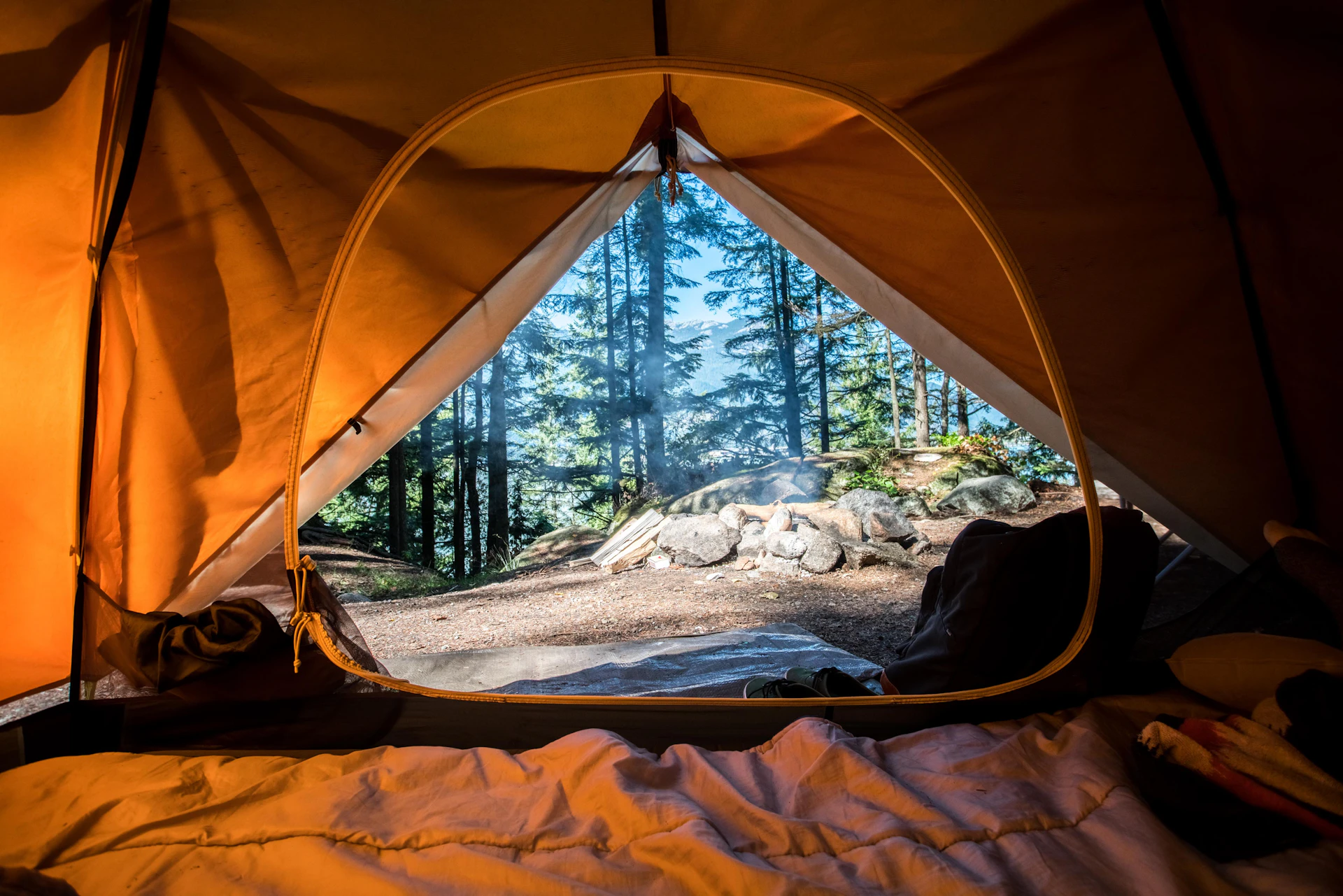
Choosing the right tent is one of the most important gear decisions for any outdoor adventure. A quality tent protects you from the elements, provides comfortable shelter, and can make the difference between a memorable camping experience and a miserable night outdoors.
With hundreds of tent models available across every price point, finding the perfect shelter requires understanding your specific needs, camping style, and the conditions you’ll face. This comprehensive guide breaks down everything you need to know about camping tents, from ultralight backpacking shelters to spacious family base camps.
Affiliate Disclosure: This post contains affiliate links to help fund this site. We may earn a commission from purchases made through these links, at no extra cost to you. All recommendations are based on genuine research and testing.
Understanding Different Tent Types
Backpacking Tents
Design Philosophy: Prioritize weight savings and packability while maintaining weather protection and durability.
Key Features:
- Ultralight materials (20D-40D nylon, DCF)
- Minimal packed size
- Streamlined designs
- Weight range: 1-4 pounds
- Typically 1-3 person capacity
Best For:
- Multi-day hiking trips
- Solo adventurers
- Weight-conscious campers
- Technical terrain
- Alpine conditions
Popular Models:
- Big Agnes Tiger Wall UL2: 2 lbs 8 oz, $450-500
- Nemo Hornet OSMO 2P: 2 lbs 6 oz, $400-450
- REI Co-op Quarter Dome SL 2: 2 lbs 14 oz, $350-400
- Zpacks Duplex: 1 lb 5 oz, $700-750
Car Camping Tents
Design Philosophy: Maximize comfort, space, and convenience since weight isn’t a primary concern.
Key Features:
- Spacious interiors with full headroom
- Large vestibules and storage areas
- Easy setup systems
- Durable, heavy-duty materials
- Weight range: 8-25 pounds
Best For:
- Drive-up campgrounds
- Family camping trips
- Extended stays
- Car-accessible locations
- Base camp situations
Popular Models:
- Coleman Sundome 6-Person: 16.7 lbs, $120-150
- REI Co-op Grand Hut 6: 19 lbs 4 oz, $400-450
- Eureka Space Camp 6: 21 lbs, $350-400
- Big Agnes Big House 6: 18 lbs 8 oz, $600-650
Family Tents
Design Philosophy: Provide maximum living space, comfort features, and easy setup for groups and families.
Key Features:
- Multiple rooms or dividers
- Large doors and windows
- Gear storage areas
- Color-coded setup systems
- Standing height interiors
Best For:
- Families with children
- Group camping
- Extended camping trips
- Comfort-focused camping
- Scout troops and organizations
Capacity Ranges:
- 4-6 Person: $200-500
- 6-8 Person: $300-700
- 8-12 Person: $400-1000+
4-Season/Winter Tents
Design Philosophy: Withstand extreme weather including snow loads, high winds, and freezing temperatures.
Key Features:
- Robust pole structures
- Heavy-duty fabrics
- Full-coverage rainflies
- Snow-shedding designs
- Reinforced guy-out points
Best For:
- Winter camping
- Alpine mountaineering
- Extreme weather conditions
- Year-round use
- Professional expeditions
Popular Models:
- Mountain Hardwear Trango 3: 8 lbs 12 oz, $650-750
- The North Face Mountain 25: 8 lbs 1 oz, $700-800
- Black Diamond Eldorado: 6 lbs 10 oz, $600-700
- Hilleberg Nallo 2: 6 lbs 4 oz, $800-900
Tent Capacity Guide: Choosing the Right Size
1-Person Tents
Dimensions: Typically 7’ x 2.5’ x 3.5' Floor Area: 17-20 square feet Best For: Solo backpackers, ultralight enthusiasts Price Range: $200-600 Weight: 1.5-3 pounds
Considerations:
- Minimal gear storage space
- Tight quarters for taller individuals
- Weather-dependent comfort
- Limited cooking vestibule space
2-Person Tents
Dimensions: 7.5’ x 4.5’ x 4' Floor Area: 28-35 square feet Best For: Couples, close friends, solo campers wanting extra space Price Range: $250-700 Weight: 2.5-5 pounds
Sizing Reality Check:
- Comfortably fits two slim sleeping pads
- Adequate for two people in good weather
- Consider 3-person if you’re tall or want gear storage
- Most popular backpacking tent size
3-Person Tents
Dimensions: 8’ x 5’ x 4.5' Floor Area: 35-42 square feet Best For: Two people with gear, three close friends Price Range: $300-800 Weight: 3.5-6 pounds
Sweet Spot Features:
- Comfortable for two people plus gear
- Extra vestibule space
- Better weather comfort
- Room for cooking inside if needed
4-Person Tents
Dimensions: 8.5’ x 8’ x 5.5' Floor Area: 50-65 square feet Best For: Families with young children, three adults Price Range: $350-900 Weight: 6-12 pounds
Family Considerations:
- Fits family of four with young kids
- Adequate gear storage
- Two-door configurations available
- Transition to car camping weights
6+ Person Tents
Dimensions: 10’ x 10’ x 6.5’+ Floor Area: 80+ square feet Best For: Large families, group camping, base camps Price Range: $400-1200+ Weight: 12-25+ pounds
Large Group Features:
- Multiple room configurations
- Standing headroom
- Large vestibules
- Group gear storage
- Extended stay comfort
Essential Tent Materials and Construction
Tent Fabrics
20D Nylon Ripstop:
- Weight: Ultra-lightweight
- Durability: Good for careful use
- Cost: Premium pricing
- Applications: Ultralight backpacking
30D Nylon Ripstop:
- Weight: Very light
- Durability: Excellent balance
- Cost: Moderate premium
- Applications: Serious backpacking
40D Nylon Ripstop:
- Weight: Light
- Durability: Very good
- Cost: Reasonable
- Applications: General backpacking
70D Polyester:
- Weight: Moderate
- Durability: Excellent
- Cost: Budget-friendly
- Applications: Car camping, family tents
Dyneema Composite (DCF):
- Weight: Lightest option
- Durability: Good (requires care)
- Cost: Most expensive
- Applications: Ultralight specialists
Waterproofing Technologies
Hydrostatic Head Ratings:
- 1,500mm: Light rain protection
- 3,000mm: Moderate rain (most tents)
- 5,000mm+: Heavy rain and snow
Coating Types:
- Polyurethane (PU): Standard, cost-effective
- Silicone: Superior durability, higher cost
- PE (Polyethylene): Budget option, heavier
Pole Materials
Aluminum Alloys:
- 7001-T6: Standard strength, affordable
- DAC Featherlite: Premium strength-to-weight
- DAC Pressfit: Easy setup, durable connections
Fiberglass:
- Pros: Inexpensive, flexible
- Cons: Heavy, breaks in cold weather
- Applications: Budget family tents only
Carbon Fiber:
- Pros: Ultra-lightweight, strong
- Cons: Expensive, can shatter on impact
- Applications: Ultralight specialist tents
Weather Protection and Seasonality
3-Season Tents (Spring, Summer, Fall)
Design Features:
- Large mesh panels for ventilation
- Single-wall or double-wall construction
- Moderate weather resistance
- Temperature range: 20°F to 80°F
Ventilation Systems:
- Mesh inner walls
- Multiple vents
- Partial rainfly coverage
- Cross-flow air circulation
Weather Limits:
- Light to moderate rain
- Winds up to 40-50 mph
- No snow load capacity
- Above-freezing condensation management
4-Season/Winter Tents
Enhanced Features:
- Full rainfly coverage
- Minimal mesh panels
- Stronger pole systems
- Snow-shedding geometry
Cold Weather Adaptations:
- Vestibules for gear storage
- Interior loops for hanging gear
- Reinforced guy-out systems
- High-vis color options
Performance Standards:
- Wind resistance: 60+ mph
- Snow load: 50+ pounds per square foot
- Temperature range: -40°F to 60°F
- Extended storm endurance
Setup Complexity and User Experience
Setup Time Categories
Quick Setup (Under 5 minutes):
- Color-coded poles and clips
- Hubbed pole systems
- Instant or pop-up mechanisms
- Single-person setup capability
Standard Setup (5-10 minutes):
- Traditional pole sleeve systems
- Multiple guy-out points
- Two-person recommended
- Clear instruction systems
Complex Setup (10+ minutes):
- Multiple pole configurations
- Precise tensioning required
- Weather-dependent setup
- Experience recommended
Ease-of-Use Features
Beginner-Friendly Elements:
- Color-coded setup systems
- Clear instruction labels
- Forgiving pitch requirements
- Self-explanatory design
Advanced Features:
- Multiple pitch configurations
- Adjustable geometry
- Modular components
- Specialized guy-out systems
Price Analysis and Value Propositions
Budget Tier ($100-250)
What You Get:
- Basic weather protection
- Heavier materials
- Simple designs
- Limited features
Best Options:
- Coleman Sundome series
- CORE equipment tents
- Eureka Solitaire series
- Kelty Late Start series
Trade-offs:
- Weight penalties
- Durability concerns
- Basic ventilation
- Limited warranty
Mid-Range ($250-500)
What You Get:
- Quality materials
- Good weather protection
- Reasonable weight
- Solid feature sets
Best Options:
- REI Co-op Quarter Dome
- Big Agnes Tiger Wall
- Marmot Tungsten series
- Nemo Dagger series
Sweet Spot Benefits:
- Balanced performance
- Reliable construction
- Good warranty support
- Wide availability
Premium Tier ($500-800)
What You Get:
- Advanced materials
- Ultralight options
- Superior weather protection
- Innovative features
Best Options:
- Big Agnes Copper Spur series
- MSR Hubba Hubba NX
- Nemo Hornet Elite
- The North Face VE series
Premium Advantages:
- Cutting-edge materials
- Refined designs
- Professional durability
- Comprehensive warranties
Ultra-Premium ($800+)
What You Get:
- Exotic materials (DCF, carbon fiber)
- Ultralight specialists
- Expedition-grade durability
- Cutting-edge innovation
Best Options:
- Zpacks tents
- Hilleberg series
- Terra Nova Laser series
- Mountain Hardwear Direkt series
Specialist Features:
- Extreme weight savings
- Professional expedition use
- Lifetime durability
- Custom configurations
Brand Comparison and Reputation
Big Agnes
Specialties: Innovative designs, comfort features Price Range: $300-700 Best For: Backpacking comfort, unique features Standout Models: Tiger Wall, Copper Spur
REI Co-op
Specialties: Value, reliability, warranty Price Range: $200-500 Best For: Balanced performance, beginner-friendly Standout Models: Quarter Dome, Grand Hut
MSR (Mountain Safety Research)
Specialties: Technical performance, expedition gear Price Range: $400-800 Best For: Extreme conditions, professional use Standout Models: Hubba Hubba, Access
Nemo Equipment
Specialties: Innovative materials, space efficiency Price Range: $350-600 Best For: Backpacking, unique designs Standout Models: Hornet, Dagger, Dragonfly
The North Face
Specialties: Alpine performance, expedition tents Price Range: $300-800 Best For: Mountain conditions, winter camping Standout Models: VE series, Mountain series
Hilleberg
Specialties: Expedition-grade, lifetime durability Price Range: $600-1200+ Best For: Professional use, extreme conditions Standout Models: Nallo, Keron, Saivo
Coleman
Specialties: Budget family camping, accessibility Price Range: $80-300 Best For: Casual camping, large groups Standout Models: Sundome, Instant Cabin
Smart Shopping: When and Where to Buy
Best Times to Buy
End of Season Sales (September-October):
- 30-50% discounts common
- Previous year models
- Limited size/color selection
- Best overall savings
Pre-Season Sales (March-April):
- 20-30% discounts
- Current year models
- Full selection available
- Good balance of savings and choice
Holiday Sales (Black Friday, REI Anniversary):
- 25-40% discounts
- Limited time offers
- Popular models included
- Membership benefits apply
Where to Find the Best Prices
REI Co-op: Member dividends, satisfaction guarantee Backcountry.com: Wide selection, expert advice Moosejaw: Price matching, rewards program Amazon: Convenience, Prime shipping Manufacturer Direct: Full warranty, latest models
Compare current tent prices on GearScouts.com for real-time deals across all major retailers.
Tent Care and Maintenance
Setup Best Practices
Site Selection:
- Level, debris-free ground
- Natural windbreaks
- Proper drainage
- Leave No Trace principles
Pitching Tips:
- Stake corners first
- Even tension on guy-lines
- Proper rainfly positioning
- Vestibule organization
Maintenance Schedule
After Each Trip:
- Air dry completely before storage
- Clean off dirt and debris
- Check for damage or wear
- Store loosely packed
Seasonal Maintenance:
- Wash with technical cleaner
- Re-waterproof as needed
- Inspect and repair seams
- Replace worn components
Long-term Storage:
- Completely dry storage
- Loose packing to maintain loft
- Climate-controlled environment
- Annual inspection
Special Considerations
Altitude and Mountain Conditions
High-Altitude Challenges:
- Increased UV exposure
- Rapid weather changes
- Snow load requirements
- Wind exposure
Mountain Tent Features:
- Enhanced guy-out systems
- Snow-shedding geometry
- Vestibule space for gear
- High-visibility colors
Desert and Hot Climate Camping
Heat Management:
- Maximum ventilation
- Reflective materials
- Shade-providing features
- Sand-resistant designs
Desert-Specific Features:
- Sand-colored fabrics
- Enhanced air flow
- UV protection ratings
- Easy-clean surfaces
Wet Climate Considerations
Moisture Management:
- Superior ventilation systems
- Quick-drying materials
- Multiple vestibule options
- Condensation reduction features
Wet Weather Features:
- Extended rainfly coverage
- Waterproof zippers
- Sealed seam construction
- Drainage systems
Making Your Final Decision
Needs Assessment Questions
What’s your primary camping style?
- Backpacking: Focus on weight and packability
- Car camping: Prioritize comfort and space
- Mixed use: Balance features and versatility
How many people will regularly use the tent?
- Size up for comfort and gear storage
- Consider growth (family expansion)
- Factor in typical group size
What weather conditions will you face?
- 3-season for most recreational camping
- 4-season for winter or extreme conditions
- Consider worst-case scenarios
What’s your experience level?
- Beginners: Simple setup, forgiving designs
- Experienced: Advanced features, specialized options
- Consider long-term skill development
What’s your realistic budget?
- Include accessories (footprint, repair kit)
- Factor in longevity and cost-per-use
- Consider resale value
Decision Framework
Step 1: Determine tent type (backpacking, car camping, family, 4-season) Step 2: Select appropriate capacity (add 1 person for comfort) Step 3: Set realistic budget (include accessories) Step 4: Prioritize must-have features (weight, space, weather protection) Step 5: Research specific models (reviews, comparisons, hands-on testing) Step 6: Find best price (compare across retailers, timing)
Top Recommendations by Category
Best Overall Backpacking Tent
Big Agnes Tiger Wall UL2 - $450-500
- Weight: 2 lbs 8 oz
- Space: 29 sq ft + vestibules
- Features: Dual doors, easy setup, proven durability
Best Value Backpacking Tent
REI Co-op Quarter Dome SL 2 - $350-400
- Weight: 2 lbs 14 oz
- Space: 28.3 sq ft + vestibule
- Features: Member dividend eligible, lifetime warranty
Best Car Camping Tent
REI Co-op Grand Hut 6 - $400-450
- Weight: 19 lbs 4 oz
- Space: 83 sq ft floor
- Features: Standing room, multiple doors, excellent ventilation
Best Family Tent
Big Agnes Big House 6 - $600-650
- Weight: 18 lbs 8 oz
- Space: 100+ sq ft total
- Features: Vertical walls, huge vestibule, family-friendly setup
Best Budget Option
Coleman Sundome 4 - $120-150
- Weight: 16.7 lbs
- Space: 63 sq ft
- Features: Color-coded setup, weather protection, wide availability
Best 4-Season Tent
Mountain Hardwear Trango 3 - $650-750
- Weight: 8 lbs 12 oz
- Space: 42 sq ft + vestibule
- Features: Bombproof construction, expedition-tested, versatile setup
Conclusion
Selecting the perfect camping tent requires balancing your specific needs, camping style, and budget. Whether you’re seeking an ultralight shelter for multi-day backpacking adventures or a spacious family base camp for weekend getaways, understanding the key differences in design, materials, and features will guide you to the right choice.
The tent market offers excellent options at every price point, from budget-friendly family shelters to cutting-edge ultralight designs. Focus on the features that matter most for your camping style, and remember that the best tent is the one that gets you outdoors more often.
Before making your final purchase, compare current prices and read recent reviews to ensure you’re getting the best value. A quality tent is an investment in years of outdoor adventures – choose wisely, and it will provide reliable shelter for countless nights under the stars.
Find the best current prices on camping tents at GearScouts.com - your go-to resource for comparing gear prices across all major outdoor retailers.
Happy camping, and may your tent adventures be filled with comfortable nights and spectacular sunrises!