Camping with Dogs: Complete Gear Guide and Safety Tips for Outdoor Adventures
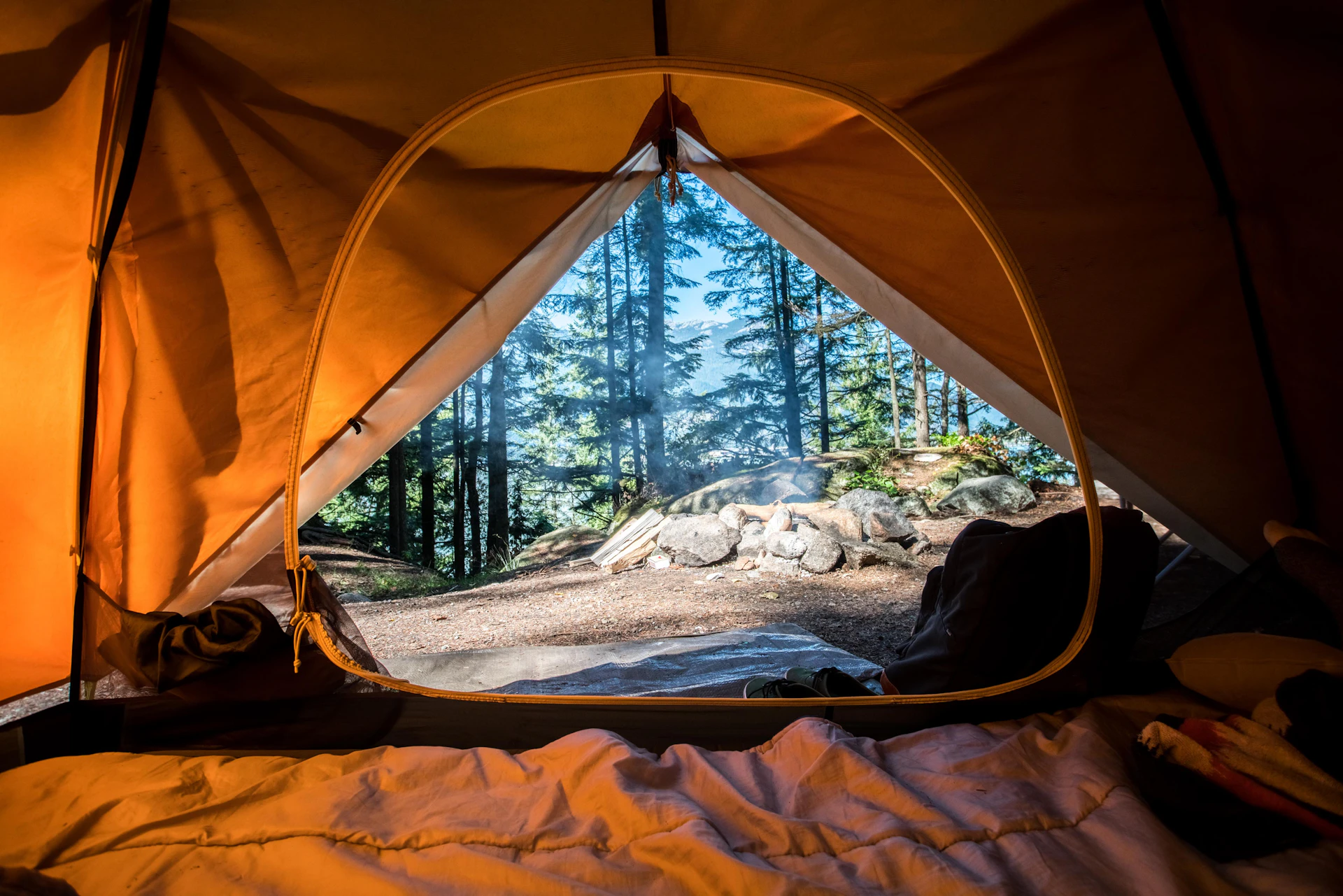
Taking your canine companion on camping adventures creates unforgettable memories, but requires careful planning and specialized gear. This comprehensive guide covers everything you need for safe, enjoyable camping experiences with your dog, including essential equipment, safety protocols, and training tips.
Essential Dog Camping Gear
Shelter and Sleep System
Dog-Specific Sleeping Gear:
- Portable dog bed: $25-80 (elevated designs prevent cold ground contact)
- Insulated sleeping pad: $30-60 (closed-cell foam or inflatable)
- Dog sleeping bag: $40-120 (temperature-rated options available)
- Blankets: $15-40 (packable, water-resistant materials)
Shelter Considerations: Your tent needs adequate space for both you and your dog. Add 20-30 square feet to your normal tent size requirement. Many dogs prefer sleeping in the vestibule area, which provides protection while maintaining outdoor connection.
Protection Options:
- Portable dog tent: $50-150 (gives dogs their own space)
- Tie-out stakes: $10-25 (heavy-duty spiral or auger style)
- Portable fence panels: $80-200 (creates secure play area)
Hydration and Nutrition
Water Systems:
- Collapsible bowls: $8-20 (silicone or fabric, dual bowl sets)
- Portable water bottles with attached bowls: $15-35
- Water filtration for dogs: Use same systems as humans
- Daily water needs: 1 ounce per pound of body weight minimum
Food Storage and Feeding:
- Airtight food containers: $10-30 (bear-proof in bear country)
- Portion control bags: $5-15 (pre-measured daily servings)
- Elevated feeders: $20-50 (reduces neck strain, improves digestion)
- Travel food considerations: Maintain regular diet to avoid stomach upset
Calculate food needs: Regular daily amount × 1.5 for active camping days. Pack extra 2-day supply for emergencies.
Safety and Identification
Essential Safety Gear:
- LED collar or light-up tags: $10-30 (crucial for nighttime visibility)
- Reflective vest: $15-40 (high-visibility for hunting seasons)
- GPS tracker: $50-150 plus monthly service ($5-15)
- Updated ID tags with camping location info
- Microchip registration current
Leashes and Restraints:
- 6-foot standard leash: $10-30 (required in most campgrounds)
- 15-30 foot training lead: $15-40 (controlled freedom at camp)
- Hands-free waist leash: $25-50 (ideal for hiking)
- Cable tie-out: $15-35 (coated steel, 15-30 feet)
- Carabiner clips: $5-15 (secure attachment points)
Dog Backpacks and Carrying Gear
Dog Backpacks: Dogs can typically carry 10-25% of their body weight, depending on fitness and breed.
- Small dog packs (under 30 lbs): $25-50
- Medium dog packs (30-60 lbs): $35-70
- Large dog packs (over 60 lbs): $45-90
- Features to consider: Adjustable straps, balanced load distribution, padded contact points
What Dogs Can Carry:
- Their own food and water
- Collapsible bowls
- Waste bags
- First aid supplies
- Small toy or comfort item
Paw Protection
Footwear Options:
- Dog boots: $30-60 per set (essential for rough terrain)
- Paw wax: $10-20 (protects against hot/cold surfaces)
- Musher’s Secret or similar balms: $15-25
- Quick-dry socks: $15-30 (for dogs that won’t wear boots)
Paw Care Kit:
- Tweezers for removing debris
- Antiseptic wipes
- Gauze and vet wrap
- Nail clippers (long nails more prone to injury)
First Aid and Medical Supplies
Dog-Specific First Aid Kit
Essential Items ($50-100 total):
- Vet wrap self-adhesive bandages
- Gauze pads and rolls
- Antiseptic wipes (pet-safe)
- Hydrogen peroxide (to induce vomiting if directed by vet)
- Thermometer (normal temp: 101-102.5°F)
- Tweezers and tick removal tools
- Scissors (blunt-ended)
- Emergency blanket
- Instant cold packs
- Medications (prescribed by vet)
Emergency Contact Information:
- Regular vet phone number
- Nearest emergency vet to camping location
- Pet poison helpline: 1-888-426-4435
- Photos of dog (in case of separation)
- Medical records copy
Common Camping Injuries and Prevention
Typical Issues:
- Paw pad injuries: Most common camping injury
- Tick and flea exposure: Check thoroughly twice daily
- Dehydration: Monitor water intake closely
- Heat exhaustion: Know warning signs
- Wildlife encounters: Maintain control at all times
- Allergic reactions: Pack Benadryl (consult vet for dosing)
Comfort and Entertainment
Rest and Relaxation Gear
Comfort Items:
- Favorite toy or comfort object: Reduces anxiety
- Cooling mat: $20-50 (gel or pressure-activated)
- Portable shade structure: $30-80
- Grooming supplies: Brush, wipes, dry shampoo
- Towels: Quick-dry microfiber ($10-25)
Weather Protection
Cold Weather Gear:
- Insulated jacket: $25-70 (essential for short-haired breeds)
- Snood or ear warmers: $10-25
- Thermal undergarment: $20-40
- Heated pad (battery-powered): $40-80
Warm Weather Gear:
- Cooling vest: $30-60 (evaporative or ice pack style)
- Portable fan: $15-40
- Elevated cot: $30-70 (improves airflow)
- Sunscreen (pet-specific): $10-20
Training and Behavior
Pre-Camping Training
Essential Commands:
- Reliable recall: Most important camping command
- “Leave it”: Critical for wildlife and hazards
- “Stay” or “Wait”: Prevents wandering
- “Quiet”: Reduces barking at camp
- Leash manners: Prevents tangling around camp
Camping-Specific Training:
- Practice tent sleeping in backyard
- Introduce backpack gradually (start empty)
- Desensitize to camping sounds (wildlife recordings)
- Practice tie-out behavior
- Trail etiquette training
Campground Etiquette
Rules and Courtesy:
- Always obey leash laws (typically 6-foot maximum)
- Clean up immediately (pack out all waste)
- Control barking (consider bark collar if necessary)
- Respect other campers’ space
- Never leave dog unattended
- Keep dog off picnic tables and out of others’ campsites
Activity-Specific Considerations
Backpacking with Dogs
Distance Planning:
- Start with day hikes, gradually increase distance
- Dogs need conditioning just like humans
- Plan for 50-75% of normal human pace
- Extra rest days for multi-day trips
- Consider dog’s age and fitness level
Trail Selection:
- Research dog-friendly trails (many restrict dogs)
- Avoid trails with ladders or significant scrambling
- Check for water sources along route
- Consider temperature extremes at elevation
Car Camping with Dogs
Vehicle Setup:
- Dog barrier or crate: $50-200 (secure transport)
- Seat covers: $25-60 (waterproof, easy-clean)
- Window shades: $15-30 (temperature control)
- Non-spill water bowl: $15-30
- Never leave dog in vehicle unattended
Water Activities
Swimming and Boating Gear:
- Dog life jacket: $25-60 (essential for all water activities)
- Floating toys: $10-25
- Drying towels: $15-30 (quick-dry microfiber)
- Boat ladder or ramp: $50-150 (assists re-entry)
Choosing Dog-Friendly Campgrounds
Research Requirements
Key Factors:
- Pet policies (some limit number or size)
- Designated pet areas
- Off-leash zones availability
- Nearby hiking trails that allow dogs
- Water access for swimming
- Veterinary services proximity
Best Campground Types:
- National Forests: Generally most dog-friendly
- State Parks: Varies by state, research required
- Private campgrounds: Often have amenities like dog parks
- BLM lands: Typically allow dogs with few restrictions
- National Parks: Limited access, strict leash laws
Seasonal Considerations
Spring Camping (March-May)
- Tick prevention crucial
- Muddy conditions require extra cleaning supplies
- Possible allergies to blooming plants
- Wildlife with young more aggressive
Summer Camping (June-August)
- Heat management top priority
- Early morning/evening activities
- Extra water requirements (2x normal)
- Hot ground protection essential
- Snake awareness in many regions
Fall Camping (September-November)
- Hunting season awareness (bright colors mandatory)
- Shorter days require good lighting
- Possible coat needed for temperature swings
- Fallen leaves hide hazards
Winter Camping (December-February)
- Breed suitability assessment critical
- Booties essential for snow/ice
- Increased calorie requirements
- Hypothermia prevention measures
- Limited water sources (may need to melt snow)
Complete Budget Packages
Budget Setup ($200-300)
- Basic tie-out and stake: $20
- Collapsible bowls: $10
- Simple sleeping pad: $30
- LED collar light: $15
- Basic first aid kit: $30
- Standard leashes (2): $25
- Food storage container: $15
- Paw protection wax: $15
- Reflective vest: $20
- Waste bags and holder: $10
- Travel documentation folder: $10
- Total: $200
Standard Setup ($400-600)
- Quality dog bed: $60
- Dog backpack: $50
- GPS tracker: $100
- Complete first aid kit: $50
- Boot set: $40
- Cooling mat: $35
- Elevated feeder: $30
- Multiple leashes/leads: $50
- Weather protection gear: $60
- Comfort items and toys: $25
- Professional training class: $100
- Total: $600
Premium Setup ($800-1200)
- High-end sleeping system: $150
- Premium GPS tracker with features: $150
- Professional dog pack: $80
- Complete boot wardrobe: $80
- Comprehensive first aid kit: $100
- Portable fence system: $150
- All-weather gear collection: $150
- Training courses: $200
- Floating jacket and water gear: $60
- Travel crate/barrier: $100
- Total: $1220
Health and Safety Protocols
Pre-Trip Preparation
Veterinary Checklist:
- Current vaccinations (including kennel cough)
- Flea and tick prevention applied
- Heartworm medication current
- Health certificate if crossing state lines
- Discuss specific destination risks
- Update microchip information
Emergency Situations
When to Evacuate:
- Severe injury or bleeding
- Difficulty breathing
- Suspected snake bite
- Extreme lethargy or collapse
- Severe vomiting or diarrhea
- Suspected poisoning
- Eye injuries
Emergency Transport:
- Know how to create improvised stretcher
- Practice lifting techniques for your dog’s size
- Identify nearest veterinary emergency services
- Have vehicle accessible for quick evacuation
Training Timeline
3 Months Before First Trip
- Begin basic obedience training
- Introduce camping gear gradually
- Start fitness conditioning
- Practice car travel
1 Month Before
- Test all gear at home
- Practice camping scenarios
- Ensure commands are reliable
- Complete vet check-up
1 Week Before
- Final gear check
- Confirm campground reservations
- Update emergency contacts
- Pack medications
Money-Saving Tips
Budget Strategies
Cost-Cutting Methods:
- Buy used gear from pet swaps: Save 40-60%
- Make DIY items (beds, toys): Save $50-100
- Group camping for shared resources
- Off-season camping for lower fees
- Annual passes for frequent camping
- Bulk buy consumables (food, medications)
Investment Priorities:
- Safety items (GPS, first aid): Don’t compromise
- Quality leashes and restraints: Prevent escapes
- Proper fitting boots: Prevent injuries
- Weather-appropriate bedding: Ensure comfort
Environmental Considerations
Leave No Trace with Dogs
Principles:
- Pack out all waste (including dog waste)
- Keep dogs on trail to prevent erosion
- Prevent wildlife harassment
- Minimize barking impact
- Respect water sources (no dogs in small streams)
- Follow fire restrictions
Wildlife Interactions
Prevention Strategies:
- Never allow chasing of wildlife
- Store all dog food properly (treat as human food)
- Keep dog close in predator country
- Make noise to avoid surprises
- Know local wildlife dangers
- Understand dog as prey risk (small dogs and large predators)
Conclusion
Camping with your dog enhances outdoor adventures and strengthens your bond, but requires proper preparation and gear. Start with car camping at dog-friendly campgrounds to build experience before attempting backcountry adventures. Invest in quality safety gear and training, while economizing on comfort items initially. Most importantly, respect other campers and wildlife while creating positive experiences that will make your dog an enthusiastic camping companion. With proper preparation and the right gear from GearScouts.com, you and your canine companion can safely enjoy countless outdoor adventures together.
Remember: A tired dog is a good camping dog. Plan activities to appropriately exercise your pet, ensure proper hydration and nutrition, and always prioritize safety over adventure goals. Happy camping with your four-legged friend!