Complete Camp Hygiene and Sanitation Guide: Stay Clean and Leave No Trace
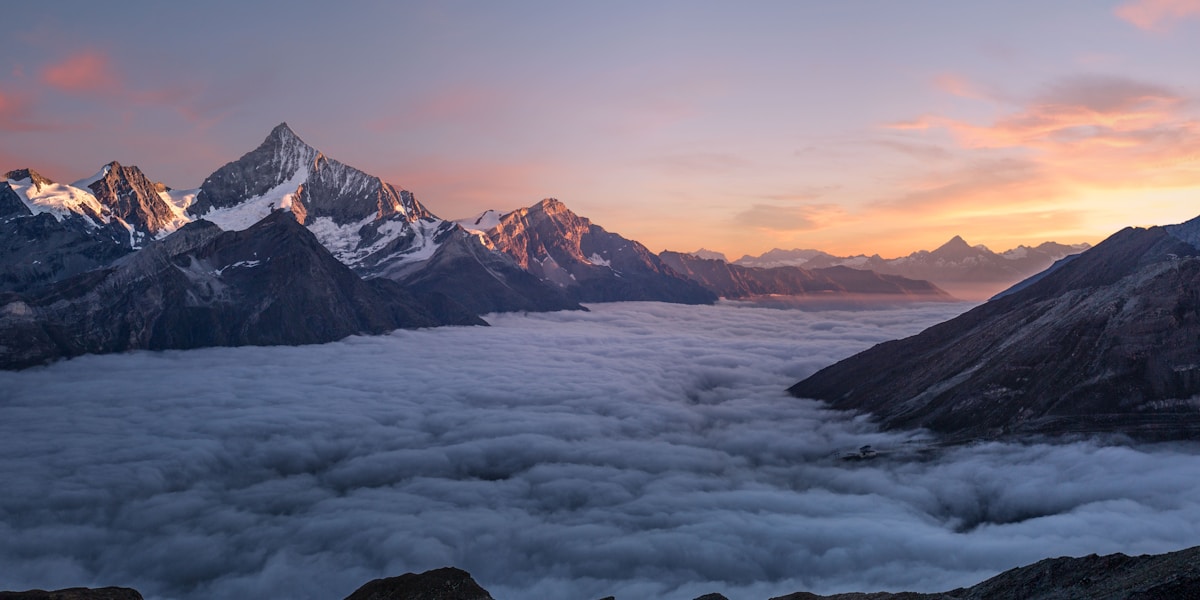
Maintaining proper hygiene in the backcountry isn’t just about comfort—it’s essential for health, environmental protection, and ensuring continued access to wilderness areas. This comprehensive guide covers everything from ultralight hygiene kits to complete sanitation systems, helping you stay clean responsibly while finding the best gear prices through GearScouts.com.

Understanding Backcountry Hygiene Principles
Leave No Trace Principles
Principle 3: Dispose of Waste Properly
- Pack out all trash and leftover food
- Deposit human waste in catholes 6-8 inches deep
- Carry waste 200 feet from water, camps, trails
- Pack out toilet paper and hygiene products
- Minimize soap use, even biodegradable
Environmental Impact:
- Human waste contaminates water sources
- Soap disrupts aquatic ecosystems
- Improper disposal spreads disease
- Visual pollution ruins experiences
- Wildlife habituation to human waste
Health and Safety Considerations
Disease Prevention:
- Gastrointestinal illness most common
- Hand hygiene prevents 40% of infections
- Proper food handling essential
- Water treatment critical
- Group hygiene protocols important
Personal Health:
- Skin infections from poor hygiene
- UTIs from inadequate cleaning
- Dental issues from neglect
- Foot problems from moisture
- Rashes from accumulated sweat
Human Waste Management Systems
Cathole Method (Traditional)
Best For: Dispersed camping, solo hikers, most environments Equipment Needed: Trowel Cost: $10-30
Proper Technique:
- Walk 200+ feet from water/camp/trail
- Dig hole 6-8 inches deep
- Squat or use natural supports
- Mix soil with waste using stick
- Cover completely and disguise
- Pack out toilet paper
Recommended Trowels:
- TheTentLab Deuce #2 ($20) - 0.6 oz ultralight
- GSI Outdoors Cathole ($8) - Budget plastic
- Coghlan’s Backpacker ($12) - Aluminum standard
- Vargo Titanium Dig Dig ($30) - Premium ultralight
- Sea to Summit Pocket Trowel ($15) - Folding design
Portable Toilet Systems
Best For: Base camps, families, winter camping, sensitive areas Weight Range: 5-20 lbs Price Range: $50-400
Bucket-Style Toilets:
Luggable Loo:
- Price: $25-35
- Weight: 3 lbs
- Capacity: 5 gallons
- Pros: Simple, affordable
- Cons: Basic design
Cleanwaste Portable Toilet:
- Price: $100-120
- Weight: 7 lbs
- Features: Includes waste bags
- Pros: Complete system
- Cons: Ongoing bag costs
Cassette Toilets:
Thetford Porta Potti 365:
- Price: $150-180
- Weight: 11 lbs
- Capacity: 5.5 gallons
- Pros: Flush system, sealed tank
- Cons: Heavy, requires chemicals
Dometic 976:
- Price: $120-150
- Weight: 10 lbs
- Capacity: 5 gallons
- Pros: Compact design
- Cons: Smaller capacity
WAG Bag Systems
Best For: Required areas, alpine environments, river trips Cost per use: $2-5 Weight: 4-6 oz per bag
Popular Brands:
- Cleanwaste GO Anywhere ($3-4/bag) - Double bag system
- Restop 2 ($2-3/bag) - Budget option
- PETT WAG Bags ($3-4/bag) - Military grade
- Biffy Bags ($4-5/bag) - Odor control
- TravelJohn ($2-3/bag) - Unisex design
Complete Kits:
- Cleanwaste Toilet Kit ($60-80) - Seat and 12 bags
- PETT Toilet System ($150-180) - Collapsible toilet
- Restop Commode ($40-50) - Basic seat system
Feminine Hygiene Management
Menstrual Products:
Menstrual Cups:
- Diva Cup ($30-40) - Popular choice
- Saalt Cup ($25-35) - Softer option
- Lunette Cup ($30-40) - Various sizes
- Pros: Reusable, long-term wear
- Cons: Learning curve, cleaning needs
Period Underwear:
- Thinx ($30-40/pair) - Absorbent underwear
- Modibodi ($25-35/pair) - Outdoor line
- Pros: No insertion, comfortable
- Cons: Multiple pairs needed
Disposal Systems:
- OpSak Bags ($10-15) - Odor-proof storage
- Ziploc + duct tape ($5) - Budget option
- FudgeClean Bags ($15-20) - Designed for disposal
Bathing and Washing Systems
Portable Camp Showers
Gravity Showers:
Sea to Summit Pocket Shower (10L):
- Price: $35-40
- Weight: 4.2 oz
- Capacity: 10 liters
- Pros: Ultralight, compact
- Cons: Needs hanging point
MSR DromLite Bag:
- Price: $40-50
- Weight: 5.3 oz
- Capacity: 4-10 liters
- Pros: Multi-use hydration
- Cons: Slower flow rate
Advanced Elements Summer Shower:
- Price: $25-35
- Weight: 11 oz
- Capacity: 2.5-5 gallons
- Pros: Solar heating
- Cons: Heavier
Pressure Showers:
Nemo Helio:
- Price: $100-120
- Weight: 1 lb 9 oz
- Capacity: 11 liters
- Pros: Foot pump pressure
- Cons: More complex
Yakima RoadShower:
- Price: $300-500
- Capacity: 4-10 gallons
- Pros: Vehicle mounted
- Cons: Car camping only
Battery-Powered:
Ivation Portable Shower:
- Price: $40-50
- Features: USB rechargeable
- Pros: Any water source
- Cons: Electronic failure risk
Biodegradable Soaps
All-Purpose Soaps:
Dr. Bronner’s Pure Castile:
- Price: $5-15
- Sizes: 2oz to 32oz
- Uses: Body, hair, dishes, laundry
- Pros: Versatile, concentrated
- Cons: Can dry skin
Sea to Summit Wilderness Wash:
- Price: $6-10
- Sizes: 1.3oz to 8oz
- Uses: Universal cleaner
- Pros: Designed for camping
- Cons: Less concentrated
Campsuds:
- Price: $6-12
- Sizes: 2oz to 16oz
- Uses: All-purpose
- Pros: Original camp soap
- Cons: Strong scent
Specialized Products:
Shampoo/Conditioner:
- Stream2Sea ($10-15) - Reef safe
- Acure ($8-12) - Natural ingredients
- HiBAR ($12-15) - Solid bars
Toothpaste:
- Tom’s of Maine ($5-8) - Fluoride options
- Toothy Tabs ($10-15) - Tablet form
- Baking soda ($2) - Simple option
Washing Stations
Basic Setup:
- Collapsible basin ($10-20)
- Microfiber towel ($10-15)
- Soap sheets ($5-10)
- Hand sanitizer ($3-5)
- Total: $30-50
Deluxe Setup:
- Portable sink ($40-60)
- Foot pump faucet ($30-40)
- Multiple basins ($20-30)
- Drying line ($10-15)
- Total: $100-145
Personal Hygiene Kits
Ultralight Kit (2-4 oz)
Contents:
- Toothbrush: Cut-down ($2)
- Toothpaste: Dots or tablets ($5)
- Soap: Sheets or small bar ($5)
- Trowel: Titanium ($20)
- TP: Half roll ($2)
- Hand sanitizer: 1oz ($3)
- Total: $37
Standard Kit (8-12 oz)
Contents:
- Toothbrush/paste: Travel size ($5)
- Soap: Dr. Bronner’s 2oz ($5)
- Towel: PackTowl Personal ($15)
- Trowel: GSI Cathole ($8)
- TP: Full roll + holder ($5)
- Sanitizer: 2oz ($5)
- Wet wipes: Travel pack ($3)
- Mirror: Compact ($5)
- Total: $51
Comfort Kit (1-2 lbs)
Contents:
- Full dental kit ($10)
- Soap/shampoo/conditioner ($15)
- Quick-dry towel ($20)
- Trowel: Quality aluminum ($15)
- TP: 2 rolls + holder ($8)
- Wet wipes: Large pack ($8)
- Deodorant: Travel size ($5)
- Comb/brush ($5)
- Mirror ($8)
- Nail clippers ($5)
- Total: $99
Water and Gray Water Management
Gray Water Disposal
Best Practices:
- Strain food particles first
- Scatter 200 feet from water sources
- Use minimal soap
- Disperse over wide area
- Never dump in water sources
Straining Systems:
- MSR Kitchen Kit strainer ($5)
- Fine mesh bag ($3)
- Coffee filter ($1)
- Bandana ($5)
Hand Washing Stations
Water-Saving Systems:
Portable Sinks:
- SereneLife Portable Sink ($150-200)
- Outsunny Camping Sink ($80-100)
- PolyJohn Portable Sink ($300-400)
DIY Solutions:
- Water jug with spigot ($15-25)
- Foot pump system ($30-40)
- Gravity bag setup ($20-30)
Specialized Hygiene Considerations
Winter Hygiene
Challenges:
- Water freezes quickly
- Exposed skin dangerous
- Catholes difficult to dig
- More clothing layers
- Condensation issues
Solutions:
- Insulated water bottles ($30-40)
- Baby wipes (keep warm) ($5)
- WAG bags required ($3-4 each)
- Vapor barriers ($20-30)
Desert Hygiene
Challenges:
- Limited water availability
- Intense sun exposure
- Sand infiltration
- Slow decomposition
- Flash flood risks
Solutions:
- Extra water capacity (3-4L/day)
- Sun protection ($20-30)
- Sealed containers ($10-20)
- Always pack out waste
Group Hygiene Protocols
Shared Systems:
- Hand washing station ($50-100)
- Group latrine area (designated)
- Dishwashing station ($30-50)
- Sick person isolation (protocol)
Supply Requirements:
- 20% extra supplies minimum
- Backup sanitation system
- Group first aid supplies
- Communication protocol
Hygiene for Specific Activities
Thru-Hiking
Resupply Strategy:
- Mail drops with hygiene supplies
- Town stops for showers
- Laundry every 5-7 days
- Replace consumables regularly
Ultralight Options:
- Bidet attachment ($10-15)
- Soap strips ($5-10)
- Bamboo toothbrush ($3-5)
Base Camping
Comfort Systems:
- Full shower setup ($100-200)
- Portable toilet ($100-200)
- Washing station ($50-100)
- Privacy shelter ($50-100)
River Trips
Required Systems:
- Groover toilet system ($200-400)
- Hand wash station ($50)
- Dish washing setup ($30)
- WAG bags backup ($50)
Environmental Considerations
Biodegradable vs. Regular Products
Biodegradable Soap Facts:
- Still harmful to water life
- Requires soil bacteria to break down
- Never use directly in water
- Takes weeks to decompose
- Use sparingly even when labeled safe
Alternatives:
- Water-only cleaning when possible
- Sand/snow for pot cleaning
- Minimal soap use
- Pack out gray water in sensitive areas
Sensitive Environments
Alpine/Above Tree Line:
- WAG bags required
- No catholes in thin soil
- Pack out all waste
- Minimize water use
Desert Cryptobiotic Soil:
- Stay on established paths
- Catholes in mineral soil only
- Pack out all paper
- Never bury in crypto soil
Budget Recommendations
Ultra-Budget ($30-50)
- Trowel: Plastic ($8)
- Soap: Dr. Bronner’s 2oz ($5)
- TP: Regular rolls ($5)
- Hand sanitizer: Generic ($5)
- Towel: Microfiber ($10)
- Storage bags: Ziploc ($5)
- Total: $38
Standard Setup ($100-150)
- Trowel: Aluminum ($15)
- Shower: Sea to Summit Pocket ($35)
- Soap kit: Biodegradable set ($20)
- Hygiene kit: Complete ($30)
- WAG bags: 6-pack ($20)
- Towel: PackTowl ($20)
- Total: $140
Comfort Setup ($250-350)
- Toilet: Luggable Loo + bags ($50)
- Shower: Nemo Helio ($100)
- Complete hygiene kit ($50)
- Washing station ($50)
- Privacy shelter ($75)
- Supplies: 3-month ($25)
- Total: $350
Group/Guide Setup ($500+)
- Toilet: Portable flush ($180)
- Shower: Pressure system ($150)
- Hand wash station ($100)
- Privacy shelters ($150)
- Complete supplies ($100)
- Backup systems ($100)
- Total: $780
Common Mistakes to Avoid
Hygiene Errors
- Using soap directly in water sources
- Inadequate hand washing
- Sharing personal items
- Improper waste disposal
- Insufficient supplies
Environmental Mistakes
- Catholes too shallow/close to water
- Leaving toilet paper
- Dumping gray water in streams
- Using regular soap
- Creating multiple catholes
Planning Failures
- Underestimating supply needs
- No backup plans
- Ignoring regulations
- Inadequate privacy consideration
- Poor site selection
Regulations and Special Areas
National Parks
- Check specific regulations
- Some require WAG bags
- Designated camping areas
- Group size restrictions
- Permit requirements
Wilderness Areas
- LNT principles mandatory
- Catholes typically allowed
- 200-foot rule enforced
- Pack out all trash
- Fire restrictions may apply
River Corridors
- Groover systems required
- Fire pan requirements
- Pack out all waste
- Designated camps only
- Permit systems common
Conclusion
Proper backcountry hygiene protects both personal health and pristine wilderness environments. Whether you’re on a weekend backpacking trip or a month-long expedition, the right sanitation systems and practices ensure comfortable, responsible outdoor experiences.
Find the best prices on hygiene and sanitation gear at GearScouts.com. Many items see significant discounts during end-of-season sales, and buying in bulk can reduce per-unit costs for consumables like WAG bags and biodegradable soap.
Remember that Leave No Trace isn’t just a suggestion—it’s our responsibility to future generations of outdoor enthusiasts. Invest in proper hygiene systems, learn correct techniques, and always err on the side of environmental protection. Clean camping is comfortable camping, and protecting our wild places ensures they remain open and pristine for years to come.