Multi-Day Backpacking Power Solutions: Weight vs. Capacity Guide
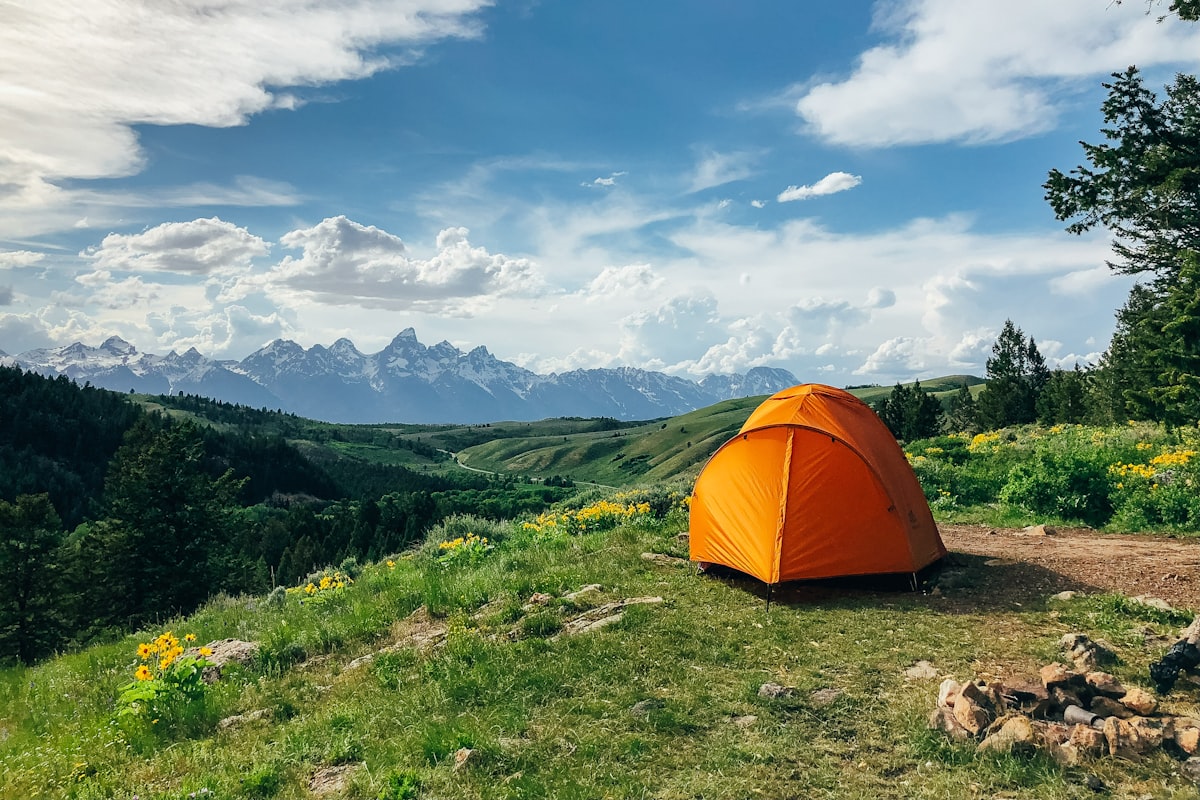
Introduction: The Backpacker’s Power Dilemma
Multi-day backpacking presents unique power challenges. Every ounce matters, yet modern backpackers rely on electronic devices for navigation, safety, photography, and communication. Finding the perfect balance between power capacity and pack weight requires careful planning and the right equipment.
This guide analyzes power solutions specifically for backpackers, from weekend trips to thru-hikes, helping you choose systems that keep devices charged without breaking your back or budget.
Understanding Backpacking Power Needs
Essential Device Power Requirements
Navigation & Safety
- GPS Watch: 200-500mAh per day
- InReach Mini: 100-200mAh per day
- Phone (airplane mode): 500-1000mAh per day
- Emergency beacon: 50-100mAh per day
- Daily Total: 850-1800mAh
Documentation & Entertainment
- Camera: 1000-2000mAh per day
- E-reader: 100-200mAh per day
- Headphones: 200-400mAh per day
- Action camera: 800-1500mAh per day
- Daily Total: 2100-4100mAh
Lighting
- Headlamp (rechargeable): 200-400mAh per day
- Backup flashlight: 100-200mAh per day
- Camp lantern: 300-500mAh per day
- Daily Total: 600-1100mAh
Trip Duration Power Calculations
Weekend Trip (2-3 days)
- Minimal setup: 5,000-8,000mAh
- Standard setup: 8,000-12,000mAh
- Photography heavy: 12,000-15,000mAh
Week-Long Trip (5-7 days)
- Minimal setup: 15,000-20,000mAh
- Standard setup: 20,000-26,000mAh
- Photography heavy: 26,000-35,000mAh
Thru-Hiking (14+ days)
- Requires solar or town charging
- Base capacity: 20,000-26,000mAh
- Solar panel: 10-20W recommended
Weight-to-Power Ratio Analysis
Power Bank Categories
Ultralight (Under 6 oz)
- Capacity: 5,000-6,700mAh
- Weight: 3.5-5.9 oz
- Best for: Weekend trips, minimal devices
- Power-to-weight: 1,135-1,430mAh per ounce
Lightweight (6-10 oz)
- Capacity: 10,000-13,000mAh
- Weight: 6.5-9.5 oz
- Best for: 3-5 day trips, standard needs
- Power-to-weight: 1,370-1,540mAh per ounce
Standard (10-16 oz)
- Capacity: 20,000-26,800mAh
- Weight: 11-15 oz
- Best for: Week-long trips, multiple devices
- Power-to-weight: 1,785-1,820mAh per ounce
Heavy Duty (16+ oz)
- Capacity: 30,000mAh+
- Weight: 16-22 oz
- Best for: Base camping, group trips
- Power-to-weight: 1,360-1,875mAh per ounce
Top Backpacking Power Banks
Best Ultralight: Nitecore NB10000
- Capacity: 10,000mAh
- Weight: 5.3 oz (150g)
- Features: Carbon fiber body, dual USB
- Price: $60-65
- Power-to-weight champion: 1,887mAh/oz
Best Value: Anker PowerCore 10000
- Capacity: 10,000mAh
- Weight: 6.35 oz (180g)
- Features: PowerIQ charging, compact
- Price: $25-30
- Excellent reliability and price point
Best for Thru-Hiking: Anker PowerCore 20100
- Capacity: 20,100mAh
- Weight: 12.5 oz (356g)
- Features: Dual input, 4.8A output
- Price: $40-50
- Proven durability on long trails
Best Premium: Goal Zero Venture 75
- Capacity: 19,200mAh
- Weight: 14.4 oz (408g)
- Features: IP67 waterproof, 60W PD
- Price: $100-120
- Rugged construction for harsh conditions
Solar Charging Solutions
Solar Panel Weight vs. Output
5-7W Panels
- Weight: 4-8 oz
- Daily charge: 2,000-3,500mAh (ideal conditions)
- Best for: Emergency backup
- Recommended: BioLite SolarPanel 5+
10-15W Panels
- Weight: 10-16 oz
- Daily charge: 4,000-7,500mAh (ideal conditions)
- Best for: Week-long trips
- Recommended: Anker PowerPort Solar Lite 15W
20-28W Panels
- Weight: 18-24 oz
- Daily charge: 8,000-14,000mAh (ideal conditions)
- Best for: Thru-hiking
- Recommended: BigBlue 28W Solar Charger
Solar Charging Reality Check
Ideal Conditions (Southwest US)
- 6-8 hours direct sunlight
- 60-80% of rated capacity achievable
- Clear skies, optimal angle
Typical Conditions (Mixed terrain)
- 3-5 hours usable sunlight
- 30-50% of rated capacity
- Tree cover, movement, weather
Challenging Conditions (Forest/Mountains)
- 1-3 hours usable sunlight
- 10-30% of rated capacity
- Heavy tree cover, valleys, rain
Charging Strategy by Trip Type
Weekend Warrior Setup
Equipment List
- Primary: 10,000mAh power bank (6.5 oz)
- Backup: AA batteries for headlamp (1 oz)
- Cables: 1 multi-cable (1 oz)
- Total Weight: 8.5 oz
Power Management
- Start with 100% charge
- Use airplane mode religiously
- Charge phone nightly to 80%
- Reserve 20% for emergencies
Week-Long Adventure Setup
Equipment List
- Primary: 20,000mAh power bank (12 oz)
- Solar: 10W panel (10 oz)
- Cables: 2 cables (2 oz)
- Total Weight: 24 oz
Power Management
- Charge during lunch breaks
- Prioritize essential devices
- Use power-saving modes
- Plan town resupply charging
Thru-Hiker Setup
Equipment List
- Primary: 20,000mAh power bank (12 oz)
- Backup: 10,000mAh power bank (6 oz)
- Solar: 15W panel (14 oz)
- Cables: 3 cables (3 oz)
- Total Weight: 35 oz
Power Management
- Town charging every 4-7 days
- Solar supplement between towns
- Device rotation schedule
- Community charging at hostels
Device-Specific Power Optimization
Smartphones
Power Saving Tips
- Airplane mode: 60-70% battery savings
- Screen brightness at minimum: 20-30% savings
- Disable background refresh: 15-20% savings
- Use offline maps: 40-50% savings
- Turn off when not needed: 80-90% savings
Best Practices
- Download maps/content before trip
- Use dedicated GPS over phone GPS
- Keep phone as emergency backup
- Consider rugged case with battery
GPS Devices
Garmin inReach
- 10-minute tracking: 100 hours battery
- 30-minute tracking: 200+ hours battery
- Extended tracking mode: 30 days
- Recommendation: 30-minute intervals for most trips
GPS Watches
- GPS mode: 15-40 hours
- UltraTrac mode: 40-100 hours
- Watch mode: 14-60 days
- Recommendation: Use UltraTrac for long days
Cameras
Mirrorless Cameras
- Carry 2-3 spare batteries (2 oz each)
- USB charging overnight
- Power bank backup for emergencies
- Average: 300-400 shots per battery
Action Cameras
- Record selectively, not continuously
- Lower resolution for longer battery
- Carry spare batteries or power bank
- Average: 60-90 minutes per battery
Ultralight Power Hacks
Weight-Saving Strategies
Cable Management
- Use retractable cables (0.5 oz vs 1 oz)
- Single multi-tip cable vs multiple
- Cut cables to minimum length
- Titanium carabiner cable organizer
Charging Optimization
- Charge while hiking with solar
- Use town stops efficiently
- Share power banks in groups
- Leverage hut/shelter outlets
Device Alternatives
- Paper maps vs GPS (save 4-8 oz)
- Watch vs phone for time (save power)
- Dedicated camera vs phone (better battery)
- E-reader vs phone for books (10x battery)
Cold Weather Considerations
Battery Performance in Cold
Temperature Impact
- 32°F (0°C): 80-85% capacity
- 14°F (-10°C): 50-60% capacity
- -4°F (-20°C): 20-30% capacity
- Below -4°F: Minimal function
Cold Weather Solutions
- Keep power banks in sleeping bag
- Use body heat while hiking
- Insulated pouches for devices
- Lithium batteries over alkaline
- Carry 25-50% extra capacity
Winter Power Setup
Recommended Configuration
- Primary: 26,800mAh power bank
- Backup: Lithium AA/AAA batteries
- Insulation: Neoprene pouches
- Emergency: Hand crank charger
- Total Weight: 20-24 oz
Budget Backpacking Power
Budget Setup Options
Minimal ($30-50)
- 10,000mAh generic power bank: $15-20
- Basic cables: $5-10
- AA battery backup: $10-15
- Total capacity: ~12,000mAh
Standard ($75-125)
- Anker 20,000mAh: $40-50
- 10W solar panel: $30-40
- Quality cables: $15-20
- Battery case: $10-15
- Total capacity: ~25,000mAh
Premium ($200-300)
- Nitecore NB20000: $90-100
- 20W solar panel: $60-80
- Backup 10,000mAh: $30-40
- Premium cables/accessories: $30-40
- Total capacity: ~35,000mAh
Power Planning Worksheet
Daily Power Budget Calculator
Device | Usage Hours | mAh/hour | Daily Total
------------------------------------------------
Phone | ___ | 200 | ___
GPS | ___ | 100 | ___
Camera | ___ | 400 | ___
Headlamp | ___ | 150 | ___
InReach | ___ | 50 | ___
Other | ___ | ___ | ___
Daily Total: ___ mAh

Trip Days: ___
Total Needed: ___ mAh
Add 30% buffer: ___ mAh
Solar offset: -___ mAh
Final Capacity Needed: ___ mAh
Group Power Management
Shared Power Strategy
Equipment Distribution
- Designate power manager
- Distribute weight evenly
- Mix solar and battery capacity
- Standardize cable types
Charging Schedule
- Rotation system for devices
- Priority list for emergencies
- Scheduled charging windows
- Group solar panel deployment
Recommended Group Kit (4 people)
- 2x 20,000mAh power banks (24 oz)
- 1x 20W solar panel (20 oz)
- 1x 10,000mAh backup (6 oz)
- Shared cable kit (4 oz)
- Total: 54 oz (13.5 oz per person)
Emergency Power Solutions
Backup Options
AA/AAA Battery Packs
- Energizer Ultimate Lithium
- 3000mAh from 4 AA batteries
- Weight: 2.5 oz for 4 batteries
- Temperature resistant
Hand Crank Chargers
- Emergency only (very slow)
- 5-10 minutes cranking = 1% phone
- Weight: 8-12 oz
- Durability varies widely
Fuel Cell Chargers
- BioLite CampStove 2+
- Charge while cooking
- Weight: 2.06 lbs
- Best for base camping
Conclusion
Successful multi-day backpacking power management balances weight, capacity, and redundancy. Start with calculating your actual daily power needs, then choose solutions that provide 30-50% buffer capacity while minimizing pack weight.
For most backpackers, a 10,000-20,000mAh power bank paired with conservative device usage handles trips up to a week. Longer adventures benefit from solar supplementation, while ultralight enthusiasts can manage with 5,000-10,000mAh through disciplined power management.
Remember: the lightest battery is the one you don’t carry. Optimize device settings, use airplane mode, and consider non-electronic alternatives where practical. Every ounce saved in your power system allows for more food, water, or simply a lighter pack.
Ready to find the best prices on backpacking power solutions? Visit GearScouts.com to compare current deals on power banks, solar panels, and all your outdoor power needs. Their price tracking helps you build an optimal power system within your budget.
Note: Battery capacities and weights vary by manufacturer and model. Always verify specifications and test your setup before heading into the backcountry.