The Complete Outdoor Clothing Layering System Guide: Dress Smart for Any Adventure
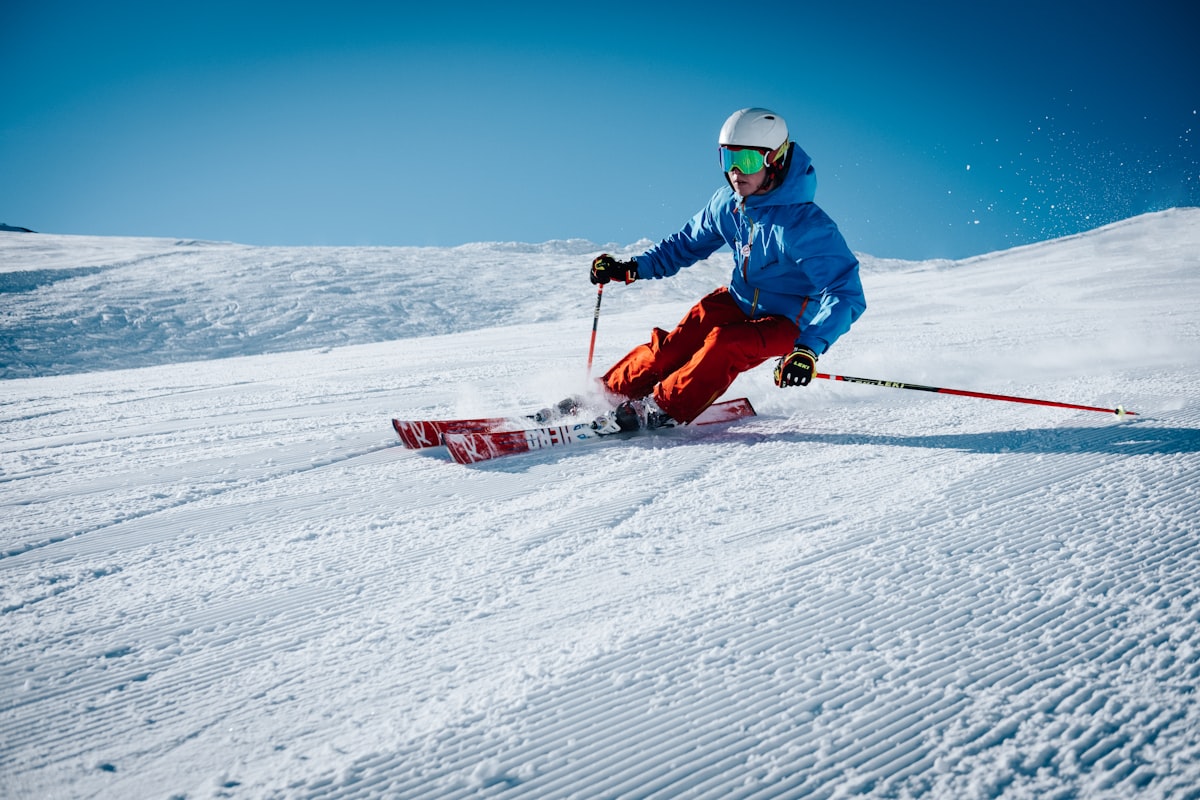
Mastering the art of layering is essential for outdoor comfort and safety. Whether you’re hiking in unpredictable mountain weather, camping in varying temperatures, or backpacking through multiple climate zones, understanding how to layer clothing properly can make the difference between an enjoyable adventure and a miserable experience. This comprehensive guide will teach you everything about building an effective layering system, from base layers to outer shells, with specific product recommendations and price comparisons.
Understanding the Layering System
The layering system is built on three main components, each serving a specific purpose. This modular approach allows you to add or remove layers as conditions change, maintaining optimal body temperature and comfort throughout your adventure.
The Three-Layer Foundation
Base Layer (Next-to-Skin): Manages moisture by wicking sweat away from your skin. This layer should fit snugly without being restrictive and never be made of cotton, which retains moisture and loses insulation when wet.
Mid Layer (Insulation): Provides warmth by trapping air close to your body. This layer should be adjustable - you might wear a light fleece on a cool morning and switch to a puffy jacket as temperatures drop.
Outer Layer (Shell): Protects you from wind, rain, and snow. This layer should be breathable enough to allow moisture vapor to escape while keeping external elements out.
Base Layer Deep Dive
Material Options and Performance
Merino Wool:
- Natural odor resistance (can wear for multiple days)
- Temperature regulation in both hot and cold conditions
- Retains warmth when wet
- Soft and non-itchy (modern processing)
- Price range: $40-150 per piece
- Best for: Multi-day trips, cold weather, low-intensity activities
Synthetic (Polyester/Nylon blends):
- Fast drying
- Durable and long-lasting
- More affordable than merino
- Less odor resistance
- Price range: $20-80 per piece
- Best for: High-intensity activities, warm weather, budget-conscious buyers
Silk:
- Lightweight and packable
- Comfortable in mild conditions
- Natural fabric
- Less durable than other options
- Price range: $30-70 per piece
- Best for: Warm weather base layer, sleep clothing
Weight Classifications
Lightweight (150-170g/m²):
- Temperature range: 50°F and above
- High-output activities
- Summer hiking and backpacking
- Examples: Smartwool Merino 150 ($75), Patagonia Capilene Cool ($45)
Midweight (200-250g/m²):
- Temperature range: 30-50°F
- Versatile for most conditions
- Spring/fall camping
- Examples: Icebreaker 200 Oasis ($90), REI Merino Wool ($60)
Heavyweight (260g/m² and above):
- Temperature range: Below 30°F
- Winter activities
- Cold weather base layer or mid layer
- Examples: Smartwool Merino 250 ($110), Minus33 Expedition ($85)
Mid Layer Strategies
Fleece Options
Grid Fleece:
- Enhanced breathability
- Reduced weight
- Better moisture management
- Price range: $60-150
- Examples: Patagonia R1 Daily ($99), Mountain Hardwear Airmesh ($80)
Traditional Fleece:
- Classic warmth
- Durable construction
- Wind resistance varies
- Price range: $30-100
- Examples: Columbia Flash Forward ($40), North Face Glacier ($60)
High-Loft Fleece:
- Maximum warmth
- Compressible
- Often features wind-resistant panels
- Price range: $100-200
- Examples: Patagonia R2 TechFace ($179), Arc’teryx Kyanite ($165)
Insulated Jackets
Down Insulation:
- Superior warmth-to-weight ratio
- Highly compressible
- Loses insulation when wet
- Fill power ranges: 600-900+
- Price range: $100-500
- Examples: REI Co-op 650 Down ($100), Patagonia Down Sweater ($279)
Synthetic Insulation:
- Maintains warmth when wet
- Less expensive than down
- Bulkier than down
- Easier care and maintenance
- Price range: $60-300
- Examples: Patagonia Nano Puff ($199), Outdoor Research SuperStrand ($169)
Active Insulation
A newer category designed for movement:
- Breathable insulation
- Stretchy fabrics
- Temperature regulation during activity
- Price range: $150-350
- Examples: Patagonia Nano-Air ($299), Black Diamond First Light ($225)
Outer Shell Selection
Hard Shells
3-Layer Construction:
- Most durable and breathable
- Professional/expedition use
- Price range: $300-700
- Examples: Arc’teryx Beta AR ($599), Outdoor Research Microgravity ($395)
2.5-Layer Construction:
- Lighter weight
- Good for backpacking
- Price range: $150-400
- Examples: Marmot Minimalist ($229), REI Drypoint GTX ($199)
2-Layer Construction:
- Budget-friendly
- Heavier/less breathable
- Price range: $75-250
- Examples: Columbia Watertight II ($90), Marmot PreCip Eco ($100)
Soft Shells
Prioritize breathability and stretch over absolute waterproofing:
- Wind resistance
- Light precipitation protection
- Superior mobility
- Price range: $100-400
- Examples: Outdoor Research Ferrosi ($109), Arc’teryx Gamma MX ($399)
Waterproof Ratings
Waterproof Rating Scale:
- 5,000mm: Light rain, dry snow
- 10,000mm: Moderate rain, average conditions
- 15,000mm: Heavy rain, wet snow
- 20,000mm+: Extreme conditions, mountaineering
Breathability Ratings (MVTR):
- 5,000-10,000g/m²/24hr: Low activity
- 10,000-15,000g/m²/24hr: Moderate activity
- 15,000-20,000g/m²/24hr: High activity
- 20,000g+/m²/24hr: Maximum breathability
Complete System Examples
Summer Day Hiking Setup
Base Layer:
- Lightweight synthetic tee ($25-45)
- Lightweight hiking shorts ($40-70)
Mid Layer:
- Light fleece or wind shirt ($50-100)
Outer Layer:
- Packable rain jacket ($75-150)
Total Investment: $190-365
Three-Season Backpacking System
Base Layer:
- Merino wool top and bottom ($120-200)
- Spare synthetic set ($60-100)
Mid Layer:
- Grid fleece ($80-120)
- Synthetic puffy jacket ($150-250)
Outer Layer:
- 2.5-layer rain jacket and pants ($250-400)
Total Investment: $660-1,070
Winter Mountaineering Kit
Base Layer:
- Heavyweight merino set ($180-250)
- Midweight backup set ($120-180)
Mid Layer:
- Technical fleece ($150-200)
- Down jacket 800-fill ($300-450)
- Soft shell jacket ($200-350)
Outer Layer:
- 3-layer hardshell jacket and pants ($600-1,000)
Total Investment: $1,550-2,430
Fabric Technologies
Waterproof/Breathable Membranes
Gore-Tex:
- Industry standard
- Multiple versions (Pro, Active, Paclite)
- Lifetime warranty
- Premium pricing
eVent:
- Direct venting technology
- Excellent breathability
- Used by multiple brands
Proprietary Technologies:
- Patagonia H2No
- Marmot NanoPro
- Columbia OutDry
- Often more affordable
Insulation Technologies
Down Standards:
- RDS (Responsible Down Standard)
- Fill power: warmth-to-weight ratio
- Down/feather ratio affects quality
- Hydrophobic treatments available
Synthetic Options:
- PrimaLoft (Gold, Silver, Black)
- Climashield (Apex, Combat)
- Polartec Alpha
- Proprietary fills (ThermoBall, Coreloft)
Activity-Specific Considerations
Trail Running
Focus on moisture management and minimal layers:
- Ultra-light base layer
- Windshirt for exposed ridges
- Minimal emergency shell
- Total weight: Under 1 pound
Alpine Climbing
Versatility and durability prioritized:
- Multiple base layer weights
- Active insulation for approach
- Down belay jacket
- Bombproof shell system
Ski Touring
Balance warmth with ventilation:
- Moisture-wicking base
- Breathable soft shell
- Packable insulation
- Ventilated hard shell
Seasonal Layering Strategies
Spring Conditions
Variable weather requires adaptability:
- Start with midweight base
- Carry light and medium insulation
- Full rain protection essential
- Pack extra dry layers
Summer Heat
Minimize layers, maximize sun protection:
- UPF-rated base layer
- Light wind protection
- Emergency rain layer
- Focus on ventilation
Fall Transitions
Prepare for temperature swings:
- Layer for coldest expected temperature
- Easy on/off mid layers
- Wind protection crucial
- Consider gloves and hat
Winter Extremes
Maximum insulation with moisture management:
- Never cotton
- Multiple insulation options
- Vapor barriers for extreme cold
- Emergency backup layers
Care and Maintenance
Washing Guidelines
Merino Wool:
- Cold water, gentle cycle
- Wool-specific detergent
- Air dry flat
- Wash every 3-5 wears
Synthetic Insulation:
- Warm water acceptable
- Tech wash recommended
- Tumble dry low
- Restore DWR treatment regularly
Down Products:
- Special down detergent required
- Front-loading washer preferred
- Tennis balls in dryer
- Annual cleaning sufficient
Shell Garments:
- Tech wash only (no fabric softener)
- Restore DWR treatment
- Check seam sealing
- Professional cleaning for Gore-Tex Pro
Storage Tips
- Clean before storing
- Hang shells and mid-layers
- Store down uncompressed
- Cedar blocks for natural moth protection
- Climate-controlled environment preferred
Budget-Friendly Alternatives
Building Your System Gradually
Year 1: Focus on Base Layers
- Invest in quality merino wool
- Budget: $200-300
- Brands: REI Co-op, Smartwool sales
Year 2: Add Insulation
- Synthetic puffy jacket
- Grid fleece
- Budget: $200-350
- Look for end-of-season sales
Year 3: Upgrade Shell
- Quality rain jacket
- Consider used/outlet options
- Budget: $150-300
- Previous year’s models offer value
Where to Find Deals
Online Resources:
- GearScouts.com for price tracking
- REI Outlet
- Patagonia Worn Wear
- Backcountry.com sales
- Steep and Cheap
Seasonal Sales:
- End of winter: 40-60% off insulation
- Labor Day: Summer gear clearance
- Black Friday: Across-the-board savings
- Post-holiday: Gift card deals
Common Layering Mistakes
Overdressing at the Start
Begin slightly cool - you’ll warm up quickly once moving. Starting too warm leads to excessive sweating and eventual cooling.
Cotton Kills
Never wear cotton as a base layer. It retains moisture, loses insulation when wet, and dries slowly - a dangerous combination in cold conditions.
Ignoring Extremities
Heat loss through head and hands is significant. Always carry a warm hat and gloves, even on seemingly mild days.
Shell Layer Confusion
A shell isn’t always necessary. On dry, calm days, skip it for better breathability. Save shells for actual precipitation or strong winds.
Advanced Layering Concepts
Vapor Barriers
For extreme cold (-20°F and below), vapor barrier liners prevent moisture from reaching insulation layers. Not comfortable but potentially life-saving.
Zone Construction
Modern garments feature different materials in different zones - breathable panels under arms, windproof chest panels, stretchy sides for mobility.
Hybrid Insulation
Jackets combining down and synthetic insulation place each where most effective - synthetic in moisture-prone areas, down in core zones.
Final Recommendations
Building an effective layering system doesn’t happen overnight. Start with quality base layers and a reliable shell, then expand your options based on your specific activities and conditions. Remember that the most expensive option isn’t always the best - focus on finding pieces that work together as a system.
For the best deals on outdoor clothing and gear, check current prices at GearScouts.com. Their price tracking helps you find the perfect time to invest in quality layers that will serve you for years to come.
The key to successful layering is practice. Experiment with different combinations during your adventures, take notes on what works, and gradually refine your system. With the right layers and knowledge of how to use them, you’ll stay comfortable in any condition nature throws your way.
Always research current prices and availability before making purchase decisions. The layering system that works best depends on your specific activities, local climate, and personal preferences.