Solar Generator Buying Guide: Top Brands and Value Analysis
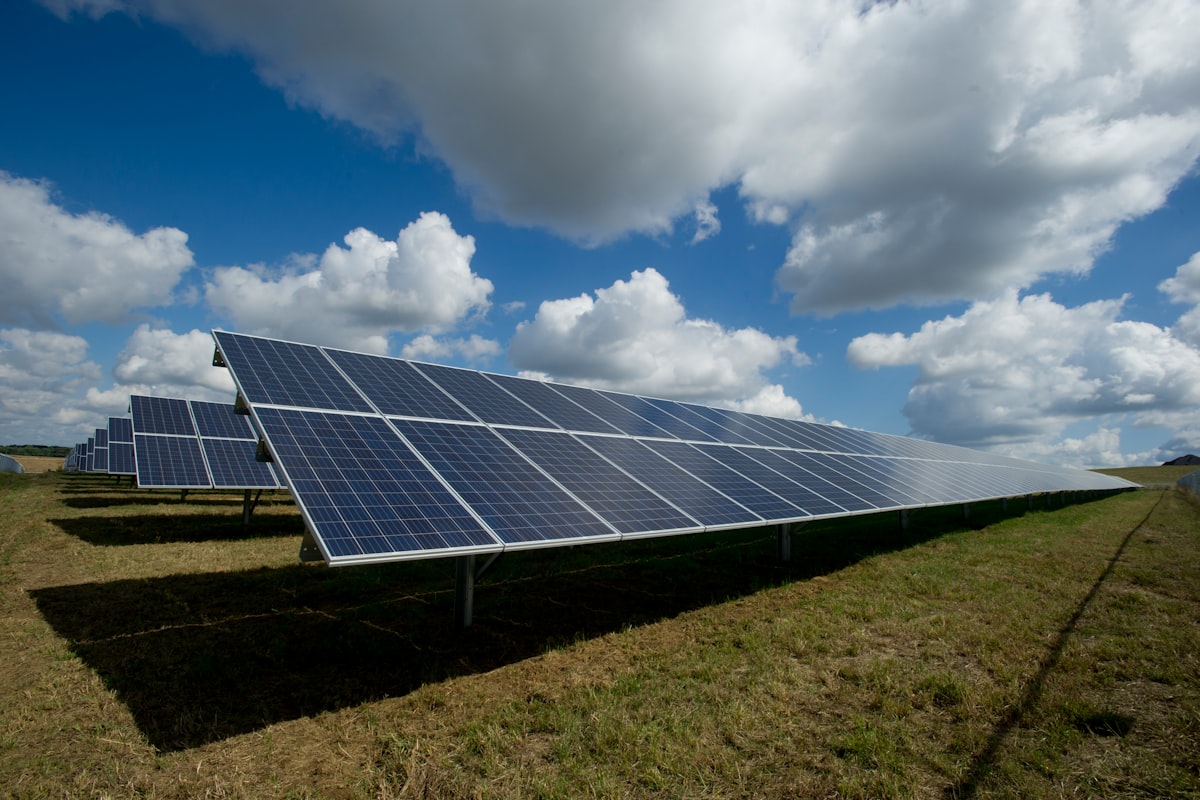
Solar generators have revolutionized off-grid power, combining portable power stations with solar panels for renewable energy anywhere. Whether you’re planning extended camping trips, preparing for emergencies, or reducing your carbon footprint, this guide will help you choose the perfect solar generator system. Find the best prices on all these systems at GearScouts.com.
What Is a Solar Generator?
A solar generator consists of:
- Portable Power Station: Battery storage with inverter
- Solar Panels: Capture sunlight and convert to electricity
- Charge Controller: Manages power flow (usually built-in)
- Cables & Connectors: Link panels to power station
Unlike gas generators, solar generators are:
- Silent operation
- Zero emissions
- No fuel costs
- Low maintenance
- Safe for indoor use
Key Factors to Consider
1. Battery Capacity (Wh)
Determines how much energy you can store:
- 200-500Wh: Phone charging, lights, laptops
- 500-1000Wh: Small appliances, CPAP, TV
- 1000-2000Wh: Refrigerators, power tools, multiple devices
- 2000Wh+: Whole RV systems, home backup
2. Inverter Output (Watts)
Maximum power you can draw:
- 300W: Lights, phones, laptops
- 500W: Add small appliances
- 1000W: Coffee makers, slow cookers
- 2000W: Microwaves, power tools
- 3000W+: AC units, welders
3. Solar Input Capacity
How fast you can recharge from solar:
- 100W: Basic maintenance charging
- 200W: Full recharge in 1-2 days
- 400W: Full recharge in 4-6 hours
- 600W+: Fast charging for large batteries
4. Charging Speed
Time to fully recharge a 1000Wh battery:
- 100W solar: 10-12 hours
- 200W solar: 5-6 hours
- 400W solar: 2.5-3 hours
- AC wall outlet: 1-2 hours
Solar Panel Types
Monocrystalline
- Efficiency: 20-22%
- Performance: Best in all conditions
- Durability: 25+ year lifespan
- Cost: Highest
- Best for: Permanent installations, limited space
Polycrystalline
- Efficiency: 15-17%
- Performance: Good in direct sunlight
- Durability: 20+ years
- Cost: Moderate
- Best for: Budget-conscious buyers
Portable/Foldable
- Efficiency: 21-23% (usually mono)
- Performance: Excellent when positioned correctly
- Durability: 5-10 years with care
- Cost: Premium for portability
- Best for: Camping, RVs, mobile use
Top Solar Generator Brands Compared
1. BLUETTI
Strengths:
- Excellent build quality
- LiFePO4 batteries standard
- High solar input capacity
- Modular expansion options
Best Models:
- AC200MAX + PV200: 2,048Wh, 900W solar input ($2,299)
- EB70S + PV120: 716Wh, 200W solar input ($699)
- AC300 + B300: 3,072Wh expandable system ($3,699)
2. EcoFlow
Strengths:
- Fastest charging technology
- Smart app control
- Excellent solar MPPT
- Wide product range
Best Models:
- DELTA 2 + 220W Panel: 1,024Wh, 500W solar input ($1,399)
- RIVER 2 Pro + 160W Panel: 768Wh, 220W solar input ($849)
- DELTA Pro + 400W Panel: 3,600Wh, 1,600W solar input ($4,799)
3. Jackery
Strengths:
- User-friendly design
- Lightweight options
- Good warranty
- Wide availability
Best Models:
- Explorer 1000 + SolarSaga 100W x2: 1,002Wh, 200W solar ($1,599)
- Explorer 500 + SolarSaga 100W: 518Wh, 100W solar ($899)
- Explorer 2000 Pro + 200W x6: 2,160Wh, 1,200W solar ($3,999)
4. Goal Zero
Strengths:
- Rugged construction
- Excellent ecosystem
- Chainable batteries
- Great customer support
Best Models:
- Yeti 1500X + Boulder 200: 1,516Wh, 600W solar input ($2,799)
- Yeti 500X + Nomad 100: 505Wh, 100W solar input ($999)
- Yeti 6000X + Boulder 200 x2: 6,071Wh, 600W solar input ($5,999)
5. Anker
Strengths:
- Great value proposition
- Long battery life (LiFePO4)
- Compact designs
- Fast charging
Best Models:
- 757 PowerHouse + 200W Panel: 1,229Wh, 300W solar input ($1,699)
- 535 PowerHouse + 100W Panel: 512Wh, 100W solar input ($699)
Capacity Recommendations by Use Case
Weekend Camping (500-1000Wh)
Power Needs:
- Phones/tablets: 50Wh/day
- LED lights: 30Wh/day
- Laptop: 100Wh/day
- Camera batteries: 50Wh/day
- Total: ~250Wh/day
Recommended Setup:
- Power station: 500-750Wh
- Solar panel: 100-200W
- Budget: $700-1,200
RV Boondocking (1500-3000Wh)
Power Needs:
- Refrigerator: 400Wh/day
- Lights: 100Wh/day
- Water pump: 50Wh/day
- Electronics: 200Wh/day
- Total: ~750Wh/day
Recommended Setup:
- Power station: 2,000Wh+
- Solar panels: 400-600W
- Budget: $2,500-4,000
Home Emergency Backup (2000-5000Wh)
Power Needs:
- Refrigerator: 1,000Wh/day
- Lights: 200Wh/day
- Internet/router: 100Wh/day
- Phone charging: 50Wh/day
- Total: ~1,350Wh/day
Recommended Setup:
- Power station: 3,000Wh+
- Solar panels: 600-1,200W
- Budget: $3,500-6,000
Off-Grid Cabin (5000Wh+)
Power Needs:
- All appliances: 2,000-3,000Wh/day
- Lighting: 300Wh/day
- Water pump: 200Wh/day
- Electronics: 500Wh/day
- Total: ~3,000Wh/day
Recommended Setup:
- Power station: 5,000Wh+ (expandable)
- Solar panels: 1,200-2,000W
- Budget: $6,000-10,000
Money-Saving Tips
1. Buy Bundles
Solar generator bundles save 15-25% versus buying separately:
- BLUETTI bundles: Save $200-500
- EcoFlow bundles: Save $150-400
- Jackery bundles: Save $100-300
2. Consider Refurbished
Certified refurbished units offer 20-30% savings:
- Goal Zero: Excellent refurb program
- Jackery: Regular refurb sales
- Usually includes warranty
3. Time Your Purchase
Best times to buy:
- Black Friday: 20-30% off
- Prime Day: 15-25% off
- Spring Sales: 10-20% off
- End of Summer: Clearance deals
4. Start Small, Expand Later
Many systems are expandable:
- BLUETTI AC300: Add batteries as needed
- EcoFlow DELTA Pro: Expandable to 25kWh
- Goal Zero: Chain multiple units
Solar Panel Sizing Guide
Basic Formula
Daily Energy Needs ÷ Peak Sun Hours ÷ System Efficiency = Solar Watts Needed
Example: 1,000Wh daily ÷ 5 sun hours ÷ 0.7 efficiency = 286W panels needed
Regional Sun Hours (Daily Average)
- Southwest US: 5-6 hours
- Southeast US: 4-5 hours
- Northeast US: 3-4 hours
- Northwest US: 2-3 hours
- Midwest US: 3.5-4.5 hours
Common Mistakes to Avoid
- Undersizing solar panels: Get at least 200W per 1000Wh battery
- Ignoring surge watts: Appliances need 2-3x running watts to start
- Cheap panels: Low efficiency costs more long-term
- Wrong connector types: Ensure MC4 compatibility
- No expansion planning: Choose systems that can grow
Maintenance Tips
Power Station Care
- Keep battery between 20-80% when storing
- Cycle monthly if not in use
- Store in cool, dry place
- Clean vents regularly
Solar Panel Care
- Clean panels monthly
- Check connections quarterly
- Store flat or fully supported
- Avoid partial shading
The Bottom Line
Solar generators offer incredible freedom from the grid, but choosing the right system requires matching capacity to your needs. For most users:
- Casual campers: 500-1000Wh with 100-200W solar ($700-1,500)
- RV enthusiasts: 1500-2500Wh with 400W solar ($2,000-3,500)
- Emergency prep: 2000-3000Wh with 600W solar ($3,000-5,000)
Focus on reputable brands with good warranties, and don’t skimp on solar panel quality. The sun’s energy is free – investing in a quality system ensures you can harness it for years to come.
Find the best deals on all these solar generator systems at GearScouts.com, where you can compare prices across multiple retailers.
Affiliate Disclosure: This post contains affiliate links to GearScouts.com. We may earn a commission at no extra cost to you when you make a purchase through these links.