Winter Photography Gear Guide: Essential Equipment for Cold Weather Shooting
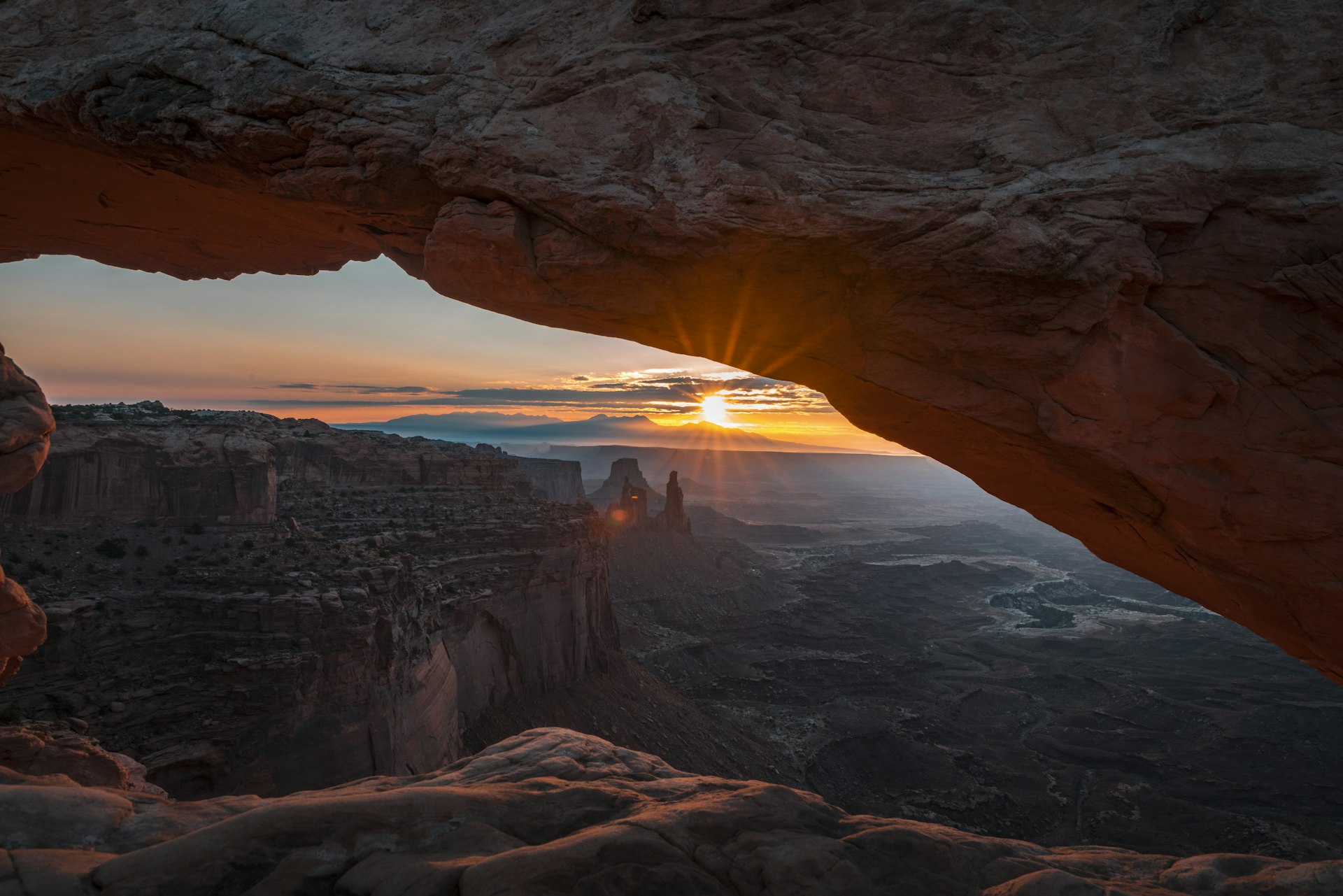
Winter offers unparalleled photography opportunities with pristine snow landscapes, dramatic weather, and unique wildlife behavior. However, cold conditions challenge both photographers and equipment. This comprehensive guide covers essential gear, protection strategies, and techniques for successful winter photography adventures.
Camera Bodies and Cold Weather Performance
Temperature Ratings and Reality
Most professional cameras are rated to operate between 32°F to 104°F (0°C to 40°C), but many function well below freezing with proper care. Mirrorless cameras generally perform better in extreme cold due to fewer mechanical parts.
Cold Weather Champions:
- Canon 1DX Mark III: Operational to -4°F (-20°C) - $6,500
- Nikon D6: Rated to 14°F (-10°C) - $6,500
- Sony A1: Functions to 14°F (-10°C) - $6,500
- Olympus OM-D E-M1X: Weather-sealed to -14°F (-10°C) - $3,000
- Fujifilm X-T4: Operational to 14°F (-10°C) - $1,700
- Pentax K-3 III: Exceptional sealing, -14°F (-10°C) - $2,000
Budget Winter Options:
- Canon 90D: Basic weather sealing - $1,200
- Nikon D7500: Moderate cold resistance - $900
- Sony A6600: Light weather sealing - $1,400
- Fujifilm X-T30 II: Limited protection - $900
Battery Management in Cold
Battery capacity drops 20-50% in freezing conditions. Lithium-ion batteries lose charge faster below 32°F (0°C).
Battery Strategies:
- Carry 3-5 spare batteries minimum
- Keep spares warm in inside pockets
- Use battery grips for extended shooting ($150-400)
- External power banks with dummy batteries ($50-150)
- Hand warmers taped to battery compartment
- Rotate batteries every 30-60 minutes
Battery Storage Solutions:
- Insulated battery cases: $20-40
- Chemical hand warmers: $10 for 10-pack
- Electric hand warmers (rechargeable): $25-50
- Inside jacket pockets: Body heat preservation
Lens Selection for Winter Photography
Prime vs Zoom in Cold Conditions
Prime Lenses - Better cold performance:
- Fewer moving parts reduce freezing risk
- Faster apertures for low light
- Generally better weather sealing
- Lighter weight reduces fatigue
Recommended Winter Primes:
- Wide angle: 14mm, 20mm, 24mm ($300-2,500)
- Standard: 35mm, 50mm ($200-2,200)
- Telephoto: 85mm, 135mm, 200mm ($500-3,000)
- Super telephoto: 300mm, 400mm, 500mm ($1,500-13,000)
Zoom Lenses - Versatility matters:
- Reduce lens changes in harsh conditions
- Cover multiple focal lengths
- Modern zooms have improved sealing
Essential Winter Zooms:
- Ultra-wide: 14-24mm, 16-35mm ($900-2,300)
- Standard: 24-70mm, 24-105mm ($800-2,300)
- Telephoto: 70-200mm, 100-400mm ($1,200-2,800)
- Super telephoto: 150-600mm, 200-600mm ($1,000-2,000)
Lens Protection and Maintenance
Condensation Prevention:
- Gradual temperature transitions crucial
- Sealed plastic bags for warming
- Silica gel packets in camera bag ($10-20)
- Lens hoods always attached
- UV filters for front element protection ($30-150)
Cold Weather Lens Issues:
- Focus ring stiffening: Use manual focus pre-sets
- Zoom creep in cold: Lens bands or tape
- Internal fogging: Avoid breathing on lens
- Ice formation: Soft brush and lens cloth
Protection Gear for Equipment
Camera Protection Systems
Rain Covers and Sleeves:
- Think Tank Hydrophobia: $150-180 (professional grade)
- Peak Design Shell: $50-70 (compact coverage)
- Ruggard Rain Shields: $30-50 (budget option)
- DIY shower caps and plastic bags: $5-10
- Clear plastic sleeves: $15-30
Insulation Solutions:
- Neoprene camera wraps: $30-60
- Camera coats/parkas: $80-150
- Lens coats for telephotos: $50-200
- Battery compartment insulators: $20-40
Bag and Storage Solutions
Winter-Specific Camera Bags:
- Lowepro Whistler Series: $250-500 (extreme conditions)
- F-Stop Mountain Series: $300-600 (backcountry focused)
- Shimoda Explore Series: $200-400 (modular system)
- Think Tank BackLight: $250-350 (rear access)
- Peak Design Travel Line: $200-300 (weather resistant)
Bag Features for Winter:
- Waterproof zippers and materials
- Insulated compartments
- External attachment points
- Comfortable with winter clothing
- Quick access without removing gloves
Tripods for Winter Conditions
Material Considerations:
- Carbon fiber: Lighter, less cold to touch ($200-2,000)
- Aluminum: Cheaper but conducts cold ($50-500)
- Leg wraps essential for comfort ($20-40)
Recommended Winter Tripods:
- Gitzo Mountaineer Series: $800-1,500 (premium carbon)
- Really Right Stuff TVC Series: $1,000-1,800 (ultra-stable)
- Manfrotto 055 Carbon: $400-500 (good value)
- Peak Design Travel Tripod: $380-650 (compact)
- Benro Rhino Series: $200-400 (budget carbon)
Winter Tripod Accessories:
- Spiked feet for ice: $30-60
- Snowshoes/sand pads: $20-40
- Tripod skis: $50-100
- Quick release L-brackets: $50-200
- Gimbal heads for wildlife: $300-1,500
Photographer Clothing and Comfort
Layering System for Photography
Base Layer ($30-100):
- Merino wool or synthetic moisture-wicking
- Avoid cotton completely
- Separate top and bottom for flexibility
Insulation Layer ($50-200):
- Down or synthetic puffy jacket
- Fleece for active shooting
- Adjustable ventilation crucial
Shell Layer ($100-500):
- Waterproof/breathable essential
- Pit zips for temperature regulation
- Hood that fits over winter hat
- Pockets accessible with camera
Hand Protection for Photographers
Glove Systems:
- Liner gloves: Thin for camera controls ($15-30)
- Insulated mittens: Warm between shots ($30-80)
- Convertible mitt-gloves: Best of both ($40-100)
- Photography gloves: Fold-back fingertips ($30-70)
- Heat Company mittens: Professional grade ($80-150)
Hand Warming Solutions:
- Chemical warmers: $1-2 per pair
- Rechargeable electric: $30-80
- Muff attachments: $50-100
- Pocket hand warmers: $20-40
Footwear for Winter Photography
Boot Requirements:
- Insulation rating: -25°F to -40°F
- Waterproof construction mandatory
- Compatible with snowshoes/crampons
- Good ankle support
Recommended Winter Boots:
- Sorel Caribou: Classic choice - $150-180
- Baffin Impact: Extreme cold - $200-250
- Kamik NationPlus: Budget option - $80-120
- Salomon Toundra Pro: Technical - $200-280
- Columbia Bugaboot: Versatile - $100-150
Traction Aids:
- Microspikes: $25-70 (essential for ice)
- Crampons: $100-200 (mountaineering)
- Snowshoes: $100-300 (deep snow)
- Gaiters: $30-80 (keep snow out)
Specialized Winter Photography Gear
Filters for Winter Conditions
Polarizing Filters ($50-300):
- Reduce glare from snow and ice
- Enhance sky contrast
- Increase color saturation
- Circular polarizers for autofocus cameras
Neutral Density Filters ($50-400):
- Long exposures for snow movement
- Cloud motion blur
- Water/ice effects
- Variable ND convenient in cold
Graduated ND Filters ($50-200):
- Balance bright snow with darker skies
- Sunrise/sunset shooting
- Mountain landscape exposure control
Lighting Equipment
Flash Considerations:
- Battery performance drops significantly
- Keep flash units warm between use
- External battery packs recommended ($150-400)
- LED panels more reliable in extreme cold ($100-500)
Continuous Lighting:
- LED panels with lithium batteries
- External power banks helpful
- Warm spare batteries essential
- Consider USB-powered options
Remote Triggers and Intervalometers
Cable Releases ($20-100):
- Reduce camera shake
- Keep hands in pockets
- Some freeze in extreme cold
Wireless Triggers ($50-300):
- Radio frequency better than infrared
- Keep transmitter warm
- Extra batteries crucial
- Smartphone apps as backup
Intervalometers ($30-150):
- Time-lapse in cold conditions
- Star trail photography
- Reduce handling in cold
- Built-in options preferable
Winter Photography Scenarios
Landscape Photography
Essential Gear:
- Wide-angle zoom: 14-24mm or 16-35mm
- Sturdy tripod with spikes
- Polarizing and ND filters
- Remote trigger
- Lens cleaning supplies
Challenges and Solutions:
- Changing light: Scout locations in advance
- Snow exposure: +1 to +2 EV compensation
- White balance: Custom WB for accuracy
- Focus: Single point AF or manual
Wildlife Photography
Essential Gear:
- Super telephoto: 400mm minimum
- Gimbal head or monopod
- Camouflage or white covering
- Extra batteries (AF drains power)
- Fast memory cards
Winter Wildlife Advantages:
- Animals easier to track in snow
- Concentrated at food sources
- Better visibility through bare trees
- Unique behavioral opportunities
Night and Astrophotography
Essential Gear:
- Fast wide-angle: f/2.8 or faster
- Sturdy tripod essential
- Intervalometer for star trails
- Red headlamp ($20-50)
- Star tracker optional ($300-800)
Cold Weather Benefits:
- Clearer air in winter
- Less atmospheric distortion
- Longer nights for shooting
- Snow reflects ambient light
Maintenance and Care
Field Maintenance
Cleaning Supplies:
- Microfiber cloths: Multiple, kept dry
- Lens brush: Soft bristles for snow
- Rocket blower: Remove snow/ice
- Lens cleaning solution: Alcohol-based
- Cotton swabs: Detail cleaning
Emergency Repairs:
- Gaffer tape: Multiple uses
- Cable ties: Secure loose items
- Multi-tool: Quick adjustments
- Spare batteries: All devices
- Memory card case: Waterproof
Post-Shoot Care
Warming Protocol:
- Place gear in sealed bags before entering warm space
- Allow 2-3 hours gradual warming
- Add silica gel to bags
- Check for condensation before opening
- Clean and dry thoroughly
Storage Between Shoots:
- Room temperature storage
- Remove batteries
- Clean all surfaces
- Check weather sealing
- Charge all batteries
Budget Winter Photography Packages
Basic Winter Setup ($1,500-2,500)
- Used DSLR with weather sealing: $600-900
- 24-105mm f/4 lens: $400-600
- Carbon fiber tripod: $200-300
- Camera rain cover: $30-50
- Extra batteries (3): $150
- Photography gloves: $40
- Microspikes: $30
- Basic filters: $100-150
- Camera bag: $100-150
- Total: $1,650-2,420
Intermediate Setup ($3,500-5,500)
- Weather-sealed mirrorless: $1,500-2,000
- 24-70mm f/2.8: $1,200-1,800
- 70-200mm f/4: $600-1,000
- Professional tripod: $400-600
- Complete filter set: $300
- Protection gear: $200
- Winter clothing system: $400
- Quality bag: $250
- Accessories: $200
- Total: $4,850-6,050
Professional Setup ($10,000-15,000)
- Pro body (1DX III, D6, A1): $6,500
- 14-24mm f/2.8: $2,300
- 24-70mm f/2.8: $2,300
- 70-200mm f/2.8: $2,800
- Gitzo tripod/head: $1,500
- Complete protection system: $500
- Premium clothing: $800
- Professional bag: $400
- Comprehensive accessories: $500
- Total: $17,600
Safety Considerations
Personal Safety
Hypothermia Prevention:
- Recognize early symptoms
- Maintain core temperature
- Stay dry at all costs
- Carry emergency shelter
- Tell someone your plans
Frostbite Prevention:
- Monitor extremities regularly
- Change wet gloves immediately
- Keep moving when possible
- Recognize numbness/tingling
- Seek shelter if needed
Equipment Safety
Common Winter Failures:
- LCD screens cracking
- Shutter mechanisms freezing
- Memory card errors
- Lens element separation
- Battery door breaking
Prevention Strategies:
- Gradual temperature changes
- Avoid impact in cold
- Regular maintenance
- Quality protection gear
- Insurance coverage
Winter Photography Destinations
Top Winter Locations
North America:
- Yellowstone National Park: Wildlife and geothermals
- Canadian Rockies: Mountain landscapes
- Alaska: Northern lights and wildlife
- Yosemite: Snow-covered granite
- Great Smoky Mountains: Frozen waterfalls
International:
- Iceland: Ice caves and aurora
- Norway: Fjords and northern lights
- Patagonia: Glaciers and mountains
- Japanese Alps: Snow monkeys
- Swiss Alps: Alpine landscapes
Planning Considerations
Research Requirements:
- Weather patterns and forecasts
- Sunrise/sunset times
- Road conditions and closures
- Accommodation heating
- Emergency services availability
Backup Plans:
- Alternative shooting locations
- Indoor photography options
- Equipment redundancy
- Communication devices
- Extraction strategies
Conclusion
Winter photography rewards prepared photographers with unique and dramatic images impossible in other seasons. Success requires proper equipment protection, personal comfort gear, and careful planning. Start with essential items like weather protection and extra batteries, then build your winter kit based on specific photography interests. Quality gear from GearScouts.com ensures you’re prepared for whatever winter conditions you encounter. Remember that no photograph is worth risking safety - know your limits, monitor conditions constantly, and always prioritize returning home safely over getting the shot. With proper preparation and respect for winter’s challenges, you’ll capture stunning images while staying warm and keeping your equipment functioning perfectly.