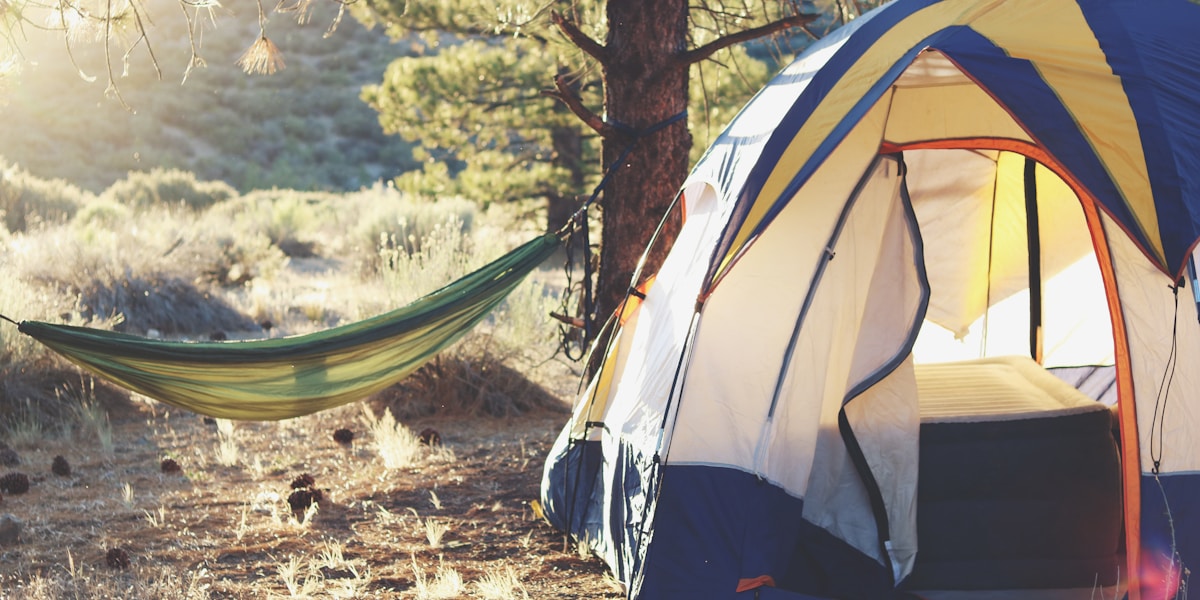
Creating memorable outdoor meals requires the right cooking equipment for your adventure style. Whether you’re an ultralight backpacker counting every gram or a car camper building a gourmet basecamp kitchen, this comprehensive guide covers all the gear, techniques, and considerations for successful camp cooking.
Camp Stove Categories and Selection Canister Stoves How They Work: Canister stoves use pre-pressurized fuel canisters containing a propane/isobutane mix. They offer instant ignition, excellent flame control, and clean burning with no priming required.
Backcountry Nutrition and Meal Planning: Complete Guide to Trail Food Proper nutrition can make or break your backcountry experience. Whether you’re planning a weekend backpacking trip or a month-long thru-hike, understanding how to fuel your body efficiently while minimizing pack weight is crucial. This comprehensive guide covers everything from caloric requirements to meal preparation techniques, helping you eat well on every adventure.
Understanding Backcountry Nutrition Needs Caloric Requirements Activity-Based Needs Day Hiking: 300-400 calories per hour Backpacking (Moderate): 400-500 calories per hour Backpacking (Strenuous): 500-700 calories per hour Winter Activities: Add 10-20% more calories High Altitude: Add 200-500 calories per day Daily Calorie Targets Light Activity: 2500-3000 calories/day Moderate Activity: 3000-4000 calories/day Strenuous Activity: 4000-5000 calories/day Thru-Hiking: 4500-6000 calories/day Winter Expeditions: 5000-7000 calories/day Macronutrient Balance Optimal Ratios for Backpacking Carbohydrates: 45-65% (quick energy) Fats: 20-35% (sustained energy) Proteins: 10-20% (muscle recovery) Caloric Density Carbohydrates: 4 calories per gram Proteins: 4 calories per gram Fats: 9 calories per gram Target: 125+ calories per ounce of food Hydration Requirements Water Needs Base Requirement: 2-3 liters per day Activity Addition: 0.